Thanks! We have received your form submission, we'll get back to you shortly!
Oops! Something went wrong while submitting the form
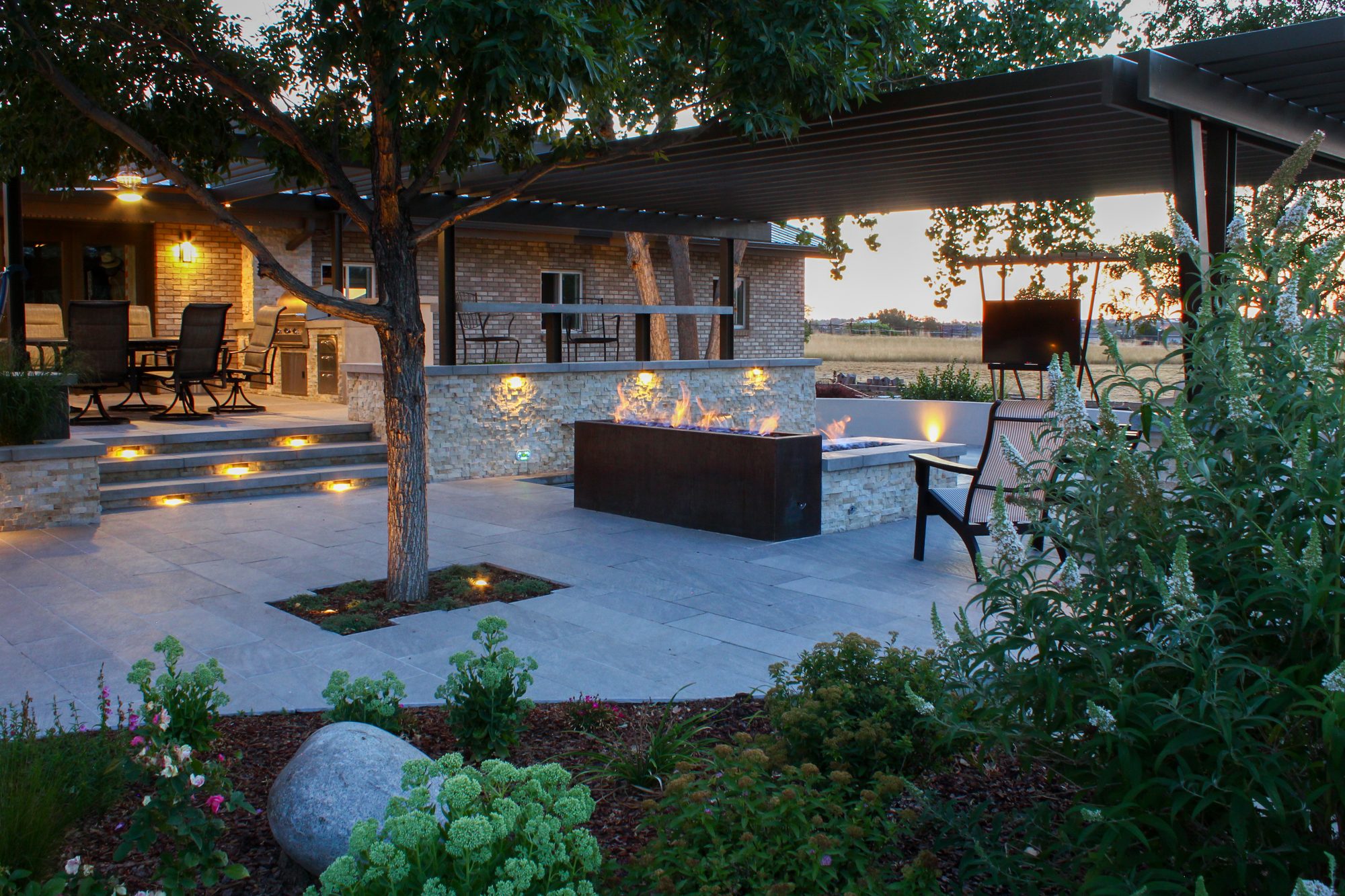
Landscape architect vs landscape designer comes down to licensing and scope. A landscape architect holds a state license and is trained for grading, drainage, and site-wide planning, while "landscape designer" is generally not a licensed title and training varies. Ivy Street Design, a Denver landscape architecture and design firm working the metro area since 1992, explains which one to hire for which kind of yard.
Quick Summary
A landscape architect holds a professional license, usually earned through a landscape architecture degree, supervised experience, and the national LARE exam. A landscape designer typically does not need a license, and training ranges from a design degree to horticulture or self-taught experience. The practical difference is training depth, regulation, and the site problems each is prepared to solve.
Here is how the two compare in plain terms:

Those are general patterns from industry explainers, not rules for every individual. A strong designer can out-deliver a weak architect, and the reverse is also true. The credential tells you what training to expect. Only the portfolio tells you how well someone designs.
Colorado re-established licensure for landscape architects in 2007, according to the state's Division of Professions and Occupations. The state runs a Board of Landscape Architects and a license renewal system. Licensing laws usually exempt some kinds of work, so ask what your project actually requires.
Rules differ a lot from state to state. In California, for example, the state licensing board says using the title "landscape architect" without a license violates state code, and landscape designers are not licensed by the state at all. Do not assume Colorado works the same way. Check the Colorado Board directly.
A 2013 summary from the American Society of Landscape Architects lists exemptions in Colorado's law, including some residential design and landscape installation. That summary is dated, so confirm current rules with the Board before relying on it.
For a homeowner, the useful takeaway is simple. A license is a verified floor of training. It is not a guarantee of taste or of good communication, so look at built work too.
Hire someone trained in grading and site engineering, which usually means a landscape architect or a firm with one on the team. Slopes, retaining walls, and drainage change how water moves across the whole lot. Mistakes tend to show up after the first heavy storm or the first freeze-thaw season, when fixes are expensive.
One industry explainer advises a landscape architect for major changes such as grading, drainage, retaining walls, pools, or a full-site master plan. That fits Ivy Street Design's process, which begins with site analysis of slope, access, and existing conditions before any design is drawn.
If your yard has a grade change, read our guide to retaining wall design in Denver before you interview anyone. It covers what to plan first, and it will help you judge the answers you get.
Planting-led work is different. A new front-yard bed, a shade garden, or a seasonal color plan carries less structural risk. A designer with strong horticultural knowledge can be an excellent fit there.
Sometimes, yes. A designer with solid training and a built portfolio can handle many residential projects well, and many collaborate with engineers or architects on the harder parts. What matters is whether the person can show comparable built work and explain who is responsible for grading, drainage, and structural pieces.
On large properties, the bigger risk is usually a missing master plan, not the title on the business card. Our post on luxury backyard design in Denver explains why one plan for the whole property, drawn before construction starts, prevents rework later.
Ask who holds a license and how you can verify it, who is accountable for grading and drainage, whether they have built projects like yours, who observes construction, and what you receive at the end. Clear answers to those five questions tell you more than any title does.
Ask Ivy Street Design the same questions. We expect them.
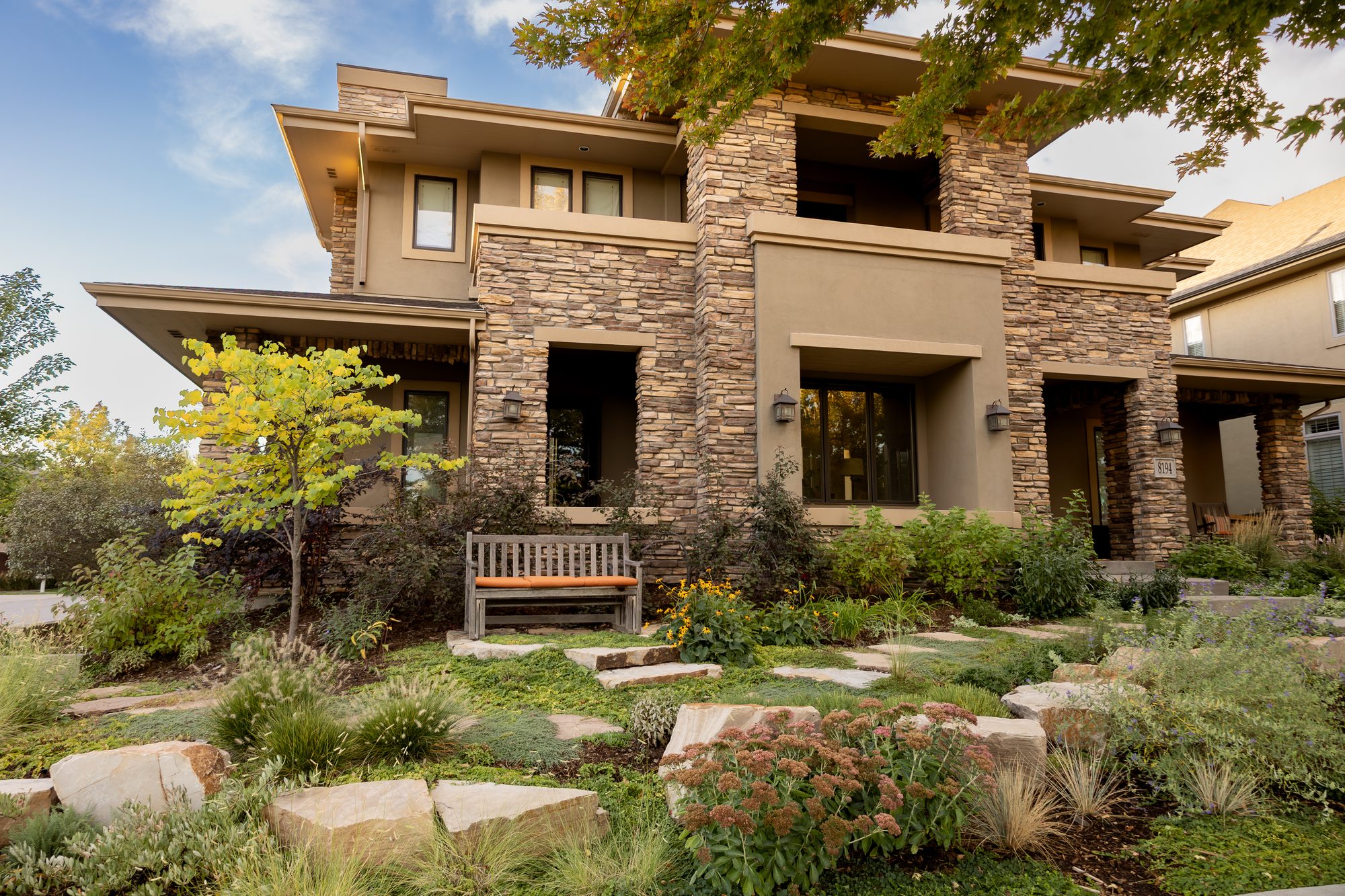
Ivy Street Design has designed Denver metro landscapes since 1992. The firm offers design-only or design-build, so you can take the plans to your own contractor or have one team carry the project through. The design process includes site analysis, a 3D presentation, and construction observation.
Not sure which kind of help your yard needs? A first conversation about your slope, your drainage, and your goals will usually make the answer clear. Winter is a good time for that conversation, because design does not need warm ground. Our post on when to start a landscape project in Colorado explains the timing.
Fees depend on scope, site conditions, materials, access, permits, and level of design detail, not only on the title. Ask each firm for a written scope and how fees are structured. Compare what you receive, not just the number.
Not always. A backyard with grade changes, walls, or drainage concerns benefits from architect-level training. A simple planting update may not. Licensing laws often exempt some residential work, so confirm current Colorado rules with the Board.
Start with the Colorado Division of Professions and Occupations and its Board of Landscape Architects page. The state publishes guidance on checking whether a license is active and whether the Board has taken action against it.
Yes, planting is part of landscape architecture, and many architects design planting beds in detail. Many designers specialize in planting, so ask any candidate to show planting work you like.
Yes. Ivy Street Design offers design-only or design-build. With design-only, you receive the plans and choose your own contractor.
Call Ivy Street Design at (303) 320-0362 or visit ivystreetdesign.com to schedule a consultation.