

Thanks! We have received your form submission, we'll get back to you shortly!
Oops! Something went wrong while submitting the form
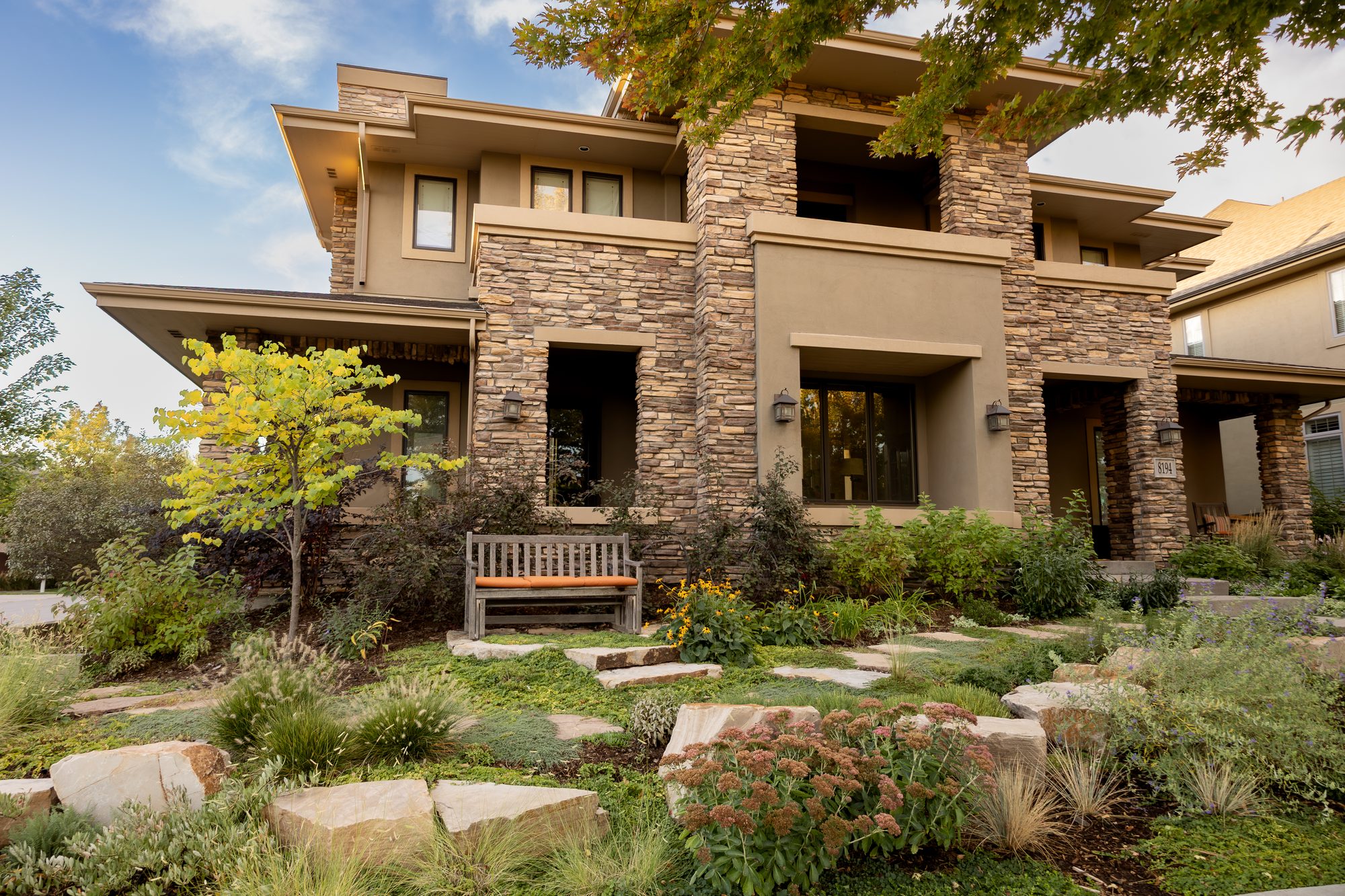
The best time to start a landscape project in Colorado is late fall or winter, when you finish the design, pricing, and permits so construction can begin the day the ground thaws. Ivy Street Design has designed Denver metro landscapes since 1992, and the design phase is the part of a project that never needs warm weather.
Quick Summary
Start in late fall or winter. Use those months for site analysis, design, and budgeting, then build as soon as the ground thaws in spring. Starting in spring means designing during construction season, which pushes the build into summer or fall and leaves little room to adjust the plan.
Most homeowners picture a landscape project beginning when the first crocus blooms. By then, the design should already be done. The yard is still there in January. You can also make decisions without a crew waiting on you.
At Ivy Street Design, we treat design as its own phase. It has a start and an end, and it should finish before the first shovel goes in the ground.
Winter is right for design because the work is drawing, measuring, and deciding, not digging. With leaves down you can see the bones of your yard: grade changes, sight lines, shade patterns, and where water collects after a storm. You can also settle the scope before spring demand starts.
Our process starts with site analysis. We look at the slopes, soils, existing trees, sun and shade, access for equipment, and how your family actually uses the yard. A winter site walk shows structure that a lush July yard hides.
Next comes a 3D presentation, so you can see the plan from the patio, the kitchen window, and the street before anything is built. Changing a wall height or a path alignment on screen costs far less than changing it in stone.
A finished design also protects your budget. When every contractor bids the same drawings, you compare like with like. Without drawings, one bid includes a fire feature and another does not, and the lowest number may simply be the smallest scope.
Design, pricing, and permitting can all happen in winter. Excavation, concrete, stone setting, and planting depend on the ground and the weather, so most of that work waits for thaw. Here is how the phases usually sort out in the Denver area:
Weather can interrupt any outdoor work on the Front Range, so a good schedule leaves some slack. A finished design and signed scope let the crew start the first workable day.
Spring planting is best for most landscapes, and CSU ranks fall planting second. For frost-tender plants, Denver gardeners have long used Mother's Day as a rough guide, and CSU's PlantTalk says to check the ten-day forecast first.
That timing is why planting is the last phase, not the first. Plan the plant palette in winter, reserve what you can, and let the weather decide the planting week.
If you want trees or shrubs in this fall, CSU says to finish by the end of October. That window is closing. CSU also notes that some deciduous trees transplant less successfully in fall, and evergreens carry more risk because their needles are exposed through winter. For most larger projects, designing now and planting in spring is the safer plan.
They change them a lot this year. Denver Water amended its Stage 1 drought resolution on August 26, 2026. Lawn watering and all spray irrigation must stop after Sept. 30, 2026, and establishing new grass is not allowed after that date unless an approved variance covers it.
Trees, shrubs, and perennials may still be watered by hand with a shutoff nozzle or by drip irrigation. Denver Water says the lawn watering ban stays in effect until the board decides how and when lawn watering can resume. Rules can change, so confirm the current status with Denver Water before you commit to a planting plan.
For a winter design, that means three practical decisions to make early:
This is one more reason the design phase belongs in winter. You can plan around the rules while there is still time to adjust.
A typical timeline runs in four stages: site analysis and design in late fall and winter, review of the 3D presentation and scope in late winter, hardscape and structures as the ground thaws, and planting in spring. Exact timing depends on the project, the weather, and approvals.

Every stage hands off to the next. When design finishes late, construction starts late. When construction starts late, planting slides toward the hot, dry months. Starting early removes the first domino.
Begin with a consultation. Bring photos of the yard, a list of how you want to use it, a rough sense of timing, and any HOA or neighborhood requirements you know about. Then decide whether you want design only or design and build.
Ivy Street Design offers both. In either case, construction observation by the design team helps make sure what gets built matches what was drawn.
No. Starting now is the point. You can complete design, scope, and pricing over the winter and be ready to build in spring. Only the planting and construction phases depend on the weather.
Some work can continue when conditions allow, but frozen ground limits excavation, footings, and planting. Most homeowners are better served by finishing the design and approvals in winter and building after thaw. Ask your contractor what they will and will not do in cold weather.
Yes, with limits. CSU ranks fall as the second-best planting season in Colorado and says to finish by the end of October. Evergreens and some deciduous trees carry more risk in fall, so ask your designer which plants suit your yard.
Occasionally. Denver Water suggests hand-watering new trees, shrubs, and plants once or twice a month during dry stretches, only when air and soil are above 40°F and there is no snow. Frozen soil will not absorb water, so Denver Water recommends checking the soil first.
As soon as you know you want to build next season. Design needs time for site analysis, review, and revisions, and starting early gives you the most choices for scope, materials, and timing.
A landscape project that starts in winter gets a calmer design phase and a faster start in spring. If you are planning outdoor living, hardscape, or a sloped or problem yard in the Denver metro area, now is the time to begin.
Call Ivy Street Design at (303) 320-0362 or visit ivystreetdesign.com to schedule a consultation.