

Thanks! We have received your form submission, we'll get back to you shortly!
Oops! Something went wrong while submitting the form
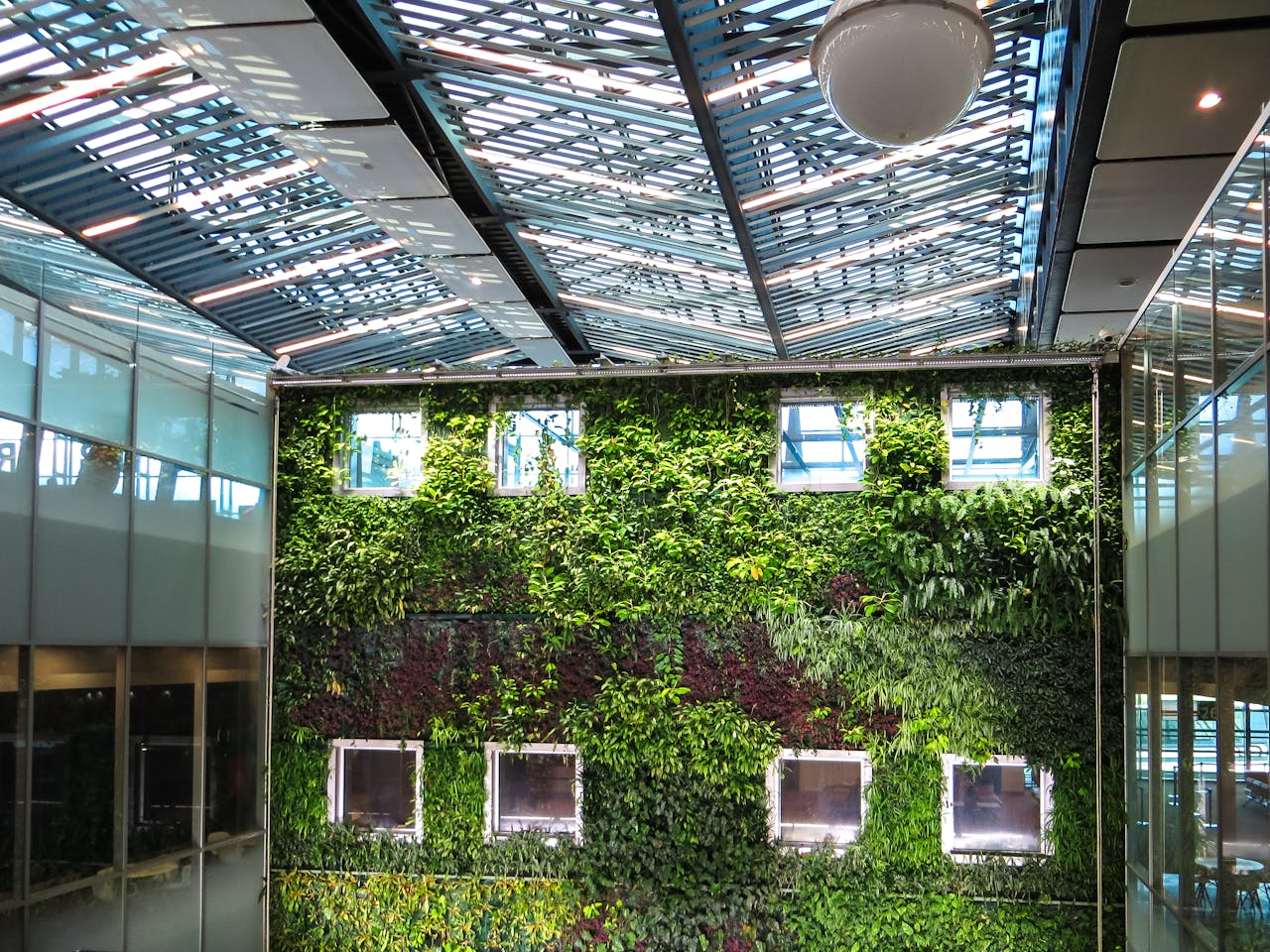
As Denver's skyline continues to evolve, an eco-friendly transformation is taking place above our heads. Green roofs are emerging as powerful tools in urban environmental management, offering solutions to many challenges faced by modern cities. Let's explore how these living rooftops are reshaping our urban landscape.
One of the most significant benefits of green roofs in our city is their ability to combat the urban heat island effect. In Denver, where urban areas can be up to five degrees warmer than surrounding regions, green roofs act as natural cooling systems. The vegetation absorbs heat rather than reflecting it back into the environment, helping to moderate urban temperatures and create more comfortable city spaces.
As our city continues to grow, air quality remains a crucial concern. Green roofs play a vital role in filtering air pollutants and absorbing carbon dioxide. The plants on these roofs act as natural air purifiers, trapping dust particles and converting CO2 into oxygen, contributing to cleaner, healthier urban air.
Denver's climate, characterized by intense summer storms and variable precipitation patterns, makes stormwater management crucial. Green roofs excel at managing rainfall by:
In our concrete jungle, green roofs create vital habitats for local wildlife. These elevated gardens provide safe spaces for native plants, insects, and birds, helping maintain biodiversity within the urban environment. They serve as stepping stones between larger green spaces, creating corridors for wildlife movement through the city.
Beyond environmental benefits, green roofs offer significant economic advantages:
Green roofs contribute to the social fabric of our city by:
As part of Denver's commitment to environmental sustainability, green roofs play a crucial role in achieving the city's climate objectives. They help reduce overall energy consumption and contribute to the city's goals for reducing greenhouse gas emissions and creating a more resilient urban environment.
Under Denver's Green Buildings Ordinance, new buildings over 25,000 square feet must incorporate green elements, with green roofs being one compliance option. However, building owners can also choose other sustainable features like solar panels or energy efficiency measures to meet requirements.
Green roofs in Denver are specifically designed to withstand our unique climate conditions. They're built with drought-resistant plants that can handle temperature swings, high altitude sun exposure, and periodic dry spells. Proper drainage systems help manage both heavy summer storms and winter snow.
In urban areas like Denver where temperatures can be up to five degrees warmer than surrounding areas, green roofs help reduce this heat island effect. A single green roof can be 30-40°F cooler than a conventional roof during summer months.
Yes. One square meter of green roof can remove approximately 0.2 kg of airborne particles per year. When implemented across multiple buildings, this can significantly improve local air quality, particularly in dense urban areas.
Denver offers various incentives for green roof installation, including potential density bonuses, expedited permit processing, and possible tax benefits. Contact the Denver Department of Community Planning and Development for current incentive programs and eligibility requirements.