

Thanks! We have received your form submission, we'll get back to you shortly!
Oops! Something went wrong while submitting the form
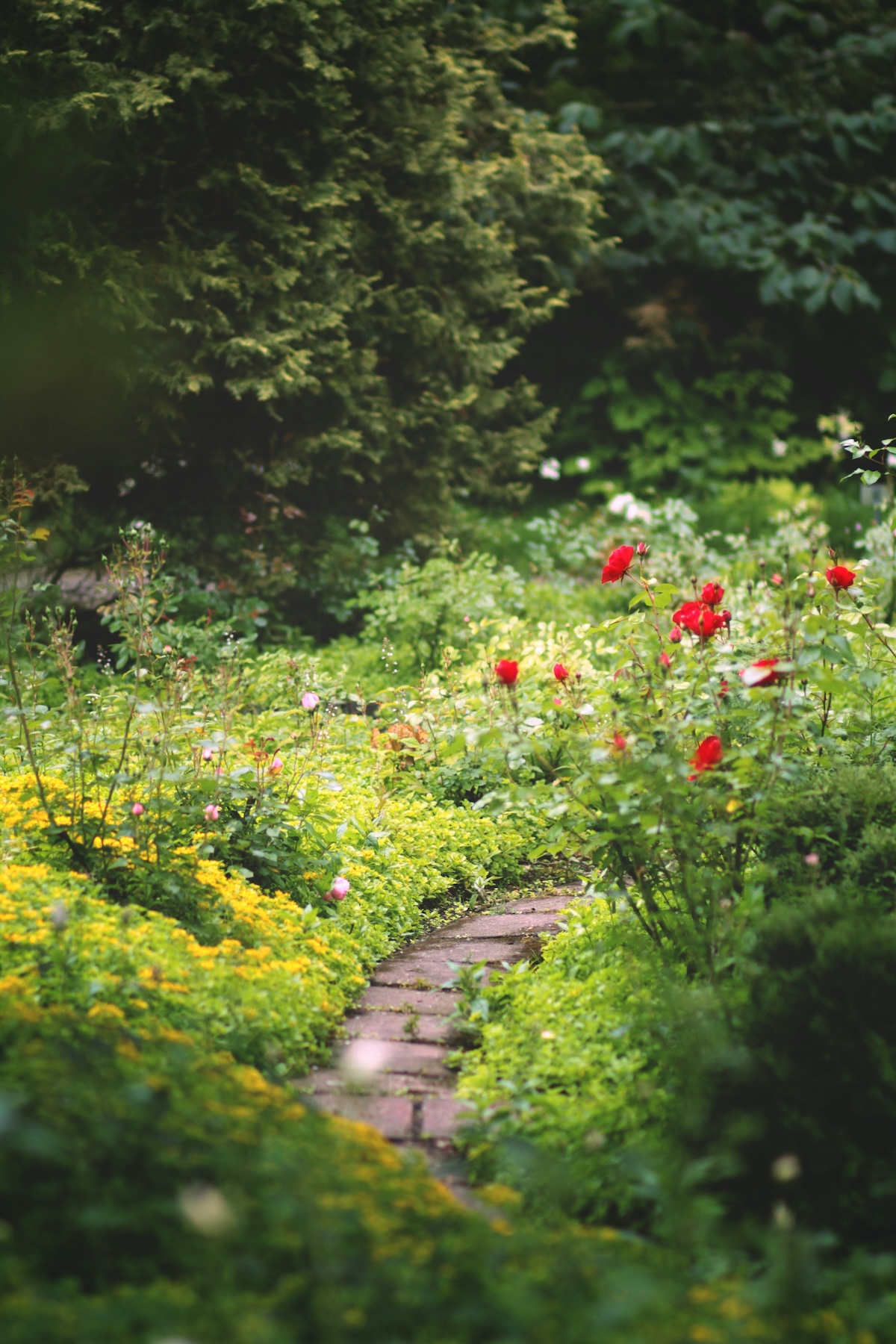
The cottage garden has a magnetic appeal: overflowing borders spilling onto pathways, roses climbing over arbors, the hum of bees moving between lavender and catmint. It's a style that feels timeless, romantic, and deeply human. And while its roots lie in the damp, mild climate of England, the cottage garden aesthetic translates beautifully to Colorado when you choose the right plants and embrace what makes our climate unique.
The secret isn't fighting our dry air and intense sun. It's recognizing that many cottage garden favorites actually prefer lean soil, good drainage, and bright light. Lavender comes from the Mediterranean. Catmint thrives in dry conditions. Hardy roses have been bred for cold winters. With thoughtful plant selection and a few design adaptations, you can create a cottage garden in Denver that blooms from spring through fall without demanding constant watering or babying.
Before adapting the style, it helps to understand what defines it. The cottage garden emerged in England centuries ago as a practical space for growing food, herbs, and medicine around small rural homes. Flowers filled the gaps, initially to attract pollinators and ward off pests. Over time, the style evolved into something more ornamental, celebrated for its romantic abundance and apparent lack of rigid structure.
The defining characteristics translate across climates:
Dense, layered planting. Cottage gardens pack plants closely together, creating a tapestry effect where foliage and flowers intermingle. There's no bare soil visible, no mulch showing between specimens. Plants lean into each other, self-seed into unexpected corners, and create a sense of generous abundance.
Informal design. Forget straight lines and geometric precision. Cottage gardens favor curves, meandering paths, and soft edges where plants spill over borders. The overall impression should feel organic rather than manicured.
Mixed plantings. Traditional cottage gardens blend flowers, herbs, vegetables, and shrubs without strict separation. Roses grow alongside lavender. Tomatoes mingle with cosmos. The practical and the beautiful share space.
Fragrance and romance. Scented flowers feature prominently: roses, lavender, peonies, dianthus. The sensory experience matters as much as the visual.
Vertical interest. Climbing roses on arbors, hollyhocks against fences, clematis scrambling through shrubs. Cottage gardens use height to create depth and drama.
Self-seeding and spreading. The style embraces plants that naturalize, move around the garden, and create happy accidents. This gives the garden a lived-in quality that evolves over time.
Before assuming our climate presents only challenges, consider the advantages it offers. Colorado gardeners enjoy roughly 300 days of sunshine per year. That intense light produces vibrant flower colors and encourages compact, sturdy growth rather than the leggy plants that plague shadier regions. Our cool nights extend bloom times for many perennials, and low humidity keeps fungal diseases at bay. Roses that struggle with black spot in humid climates often thrive here.
The dry air that worries new gardeners actually suits many cottage garden classics. Lavender, catmint, dianthus, and artemisia all prefer conditions drier than England provides. These Mediterranean and high-altitude plants feel right at home in Denver's semi-arid climate.
Our cold winters, while harsh, give the garden a clear dormant period that many perennials need to bloom well. Peonies, irises, and alliums require winter chill to set their flower buds. Without it, they produce foliage but few blooms.
The traditional cottage garden assumes regular rainfall and amended, moisture-retentive soil. Colorado requires a few adjustments to the approach while keeping the essential spirit intact.
Hydrozoning within the garden. Group plants by water needs rather than scattering them randomly. Create a "signature bed" near the house or patio where you concentrate higher-water plants like roses and peonies, then transition to increasingly drought-tolerant options as you move away from high-visibility areas. This lets you maintain the cottage garden look where it matters most while reducing overall water use.
Gravel paths instead of lawn edges. Traditional cottage gardens often feature plants spilling onto grass paths. In Colorado, gravel or decomposed granite paths work better, providing the informal look without the water demands of lawn. The pale surface also reflects light, brightening shady corners and echoing the aesthetic of European Mediterranean gardens.
Embracing silver foliage. English cottage gardens lean heavily on green, but Colorado gardens benefit from silver and gray foliage plants that reflect our intense sunlight and require less water. Lamb's ear, artemisia, lavender, Russian sage, and santolina all bring that soft, romantic texture while thriving in dry conditions.
Irrigation planning. Drip irrigation hidden beneath foliage delivers water directly to roots without wetting leaves, reducing disease pressure and water loss to evaporation. Plan your irrigation zones before planting so you can group plants appropriately.
Wind protection. Our afternoon winds can shred delicate blooms and dry out plants quickly. Position the cottage garden on the east or south side of the house, use fencing or hedges as windbreaks, and stake tall plants early in the season.
No cottage garden feels complete without roses, and Colorado can grow excellent ones despite our challenging winters and dry summers. The key is choosing hardy varieties grown on their own roots rather than grafted plants, and selecting types bred for disease resistance and cold tolerance.
Shrub roses offer the best combination of hardiness, repeat bloom, and that billowy cottage garden form. David Austin's English roses, bred to combine old-fashioned flower forms with modern disease resistance, perform well along the Front Range. 'Graham Thomas' brings butter-yellow blooms, 'Gertrude Jekyll' offers deep pink with exceptional fragrance, and 'Abraham Darby' produces large peachy-pink flowers on a vigorous plant.
Canadian shrub roses were bred specifically for harsh winters and make excellent choices for Colorado. 'Morden Sunrise' (yellow fading to peach), 'Champlain' (red), and 'William Baffin' (pink, can climb) all handle our climate without winter protection.
Knock Out roses lack the old-fashioned romance of English roses but deliver reliable bloom from spring through frost with minimal care. They're useful for filling gaps and providing continuous color while more temperamental varieties rest between flushes.
Buck roses, developed by Dr. Griffith Buck at Iowa State University for Midwest hardiness, thrive in Colorado. 'Carefree Beauty' produces fragrant pink blooms on a six-foot shrub that needs almost no care.
For climbing roses, choose Canadian varieties like 'John Cabot' or 'Henry Kelsey' that can handle our rapid temperature swings without extensive dieback. Position them on east or south-facing walls where they'll get morning sun but some protection from intense afternoon exposure.
The backbone of any cottage garden is its perennials, and Colorado offers an excellent palette once you move beyond the traditional English selections.
Catmint (Nepeta) may be the perfect Colorado cottage garden plant. Its billowy gray-green foliage and lavender-blue flower spikes bloom from late spring through fall, especially if you shear it back after the first flush. 'Walker's Low' (which actually grows 2-3 feet tall) and 'Six Hills Giant' both perform beautifully. Catmint mingles wonderfully with roses, tolerates drought, and attracts pollinators while resisting deer.
Lavender brings fragrance, texture, and that essential cottage garden romance. English lavender varieties like 'Hidcote', 'Munstead', and 'Phenomenal' handle Colorado winters well in sharp-draining soil. French lavender types need more protection but can succeed in south-facing microclimates.
Peonies deliver the lush, extravagant blooms that define cottage garden style. They need winter chill (which we provide in abundance) and resent disturbance once planted, but reward patience with decades of spectacular late spring flowers. Plant them where they can stay permanently, in full sun with good drainage.
Salvia (meadow sage) offers the vertical flower spikes that give cottage gardens rhythm. 'May Night' and 'Caradonna' produce deep purple-blue blooms in early summer and rebloom in fall if cut back. They handle our clay soil without complaint and rarely need supplemental water once established.
Hardy geraniums (cranesbills, not the tender annual types) provide the perfect cottage garden "weaver," sprawling between larger plants and knitting the garden together. 'Rozanne' blooms from May through October with violet-blue flowers and tolerates everything Colorado throws at it.
Coneflowers (Echinacea) bring late summer color and attract butterflies and goldfinches. The straight purple species remains more reliable than the newer hybrids, though varieties like 'Magnus' and 'White Swan' perform well here.
Yarrow spreads to fill gaps with ferny foliage and flat-topped flower clusters in shades of yellow, white, pink, and red. It's completely drought-tolerant once established and self-seeds gently to create natural drifts.
Columbine, Colorado's state flower, adds graceful nodding blooms in late spring. It self-seeds readily and tolerates partial shade, making it perfect for the dappled edges of cottage garden beds.
Russian sage provides the airy, lavender-blue haze that makes cottage gardens feel romantic. It grows 3-4 feet tall and wide, blooms from July through October, and laughs at drought and heat.
Dianthus (pinks) bring that old-fashioned clove fragrance to the front of borders. They prefer lean, well-drained soil and full sun, making them natural fits for Colorado conditions.
Cottage gardens gain depth from the seasonal surprises that bulbs and biennials provide.
Spring bulbs emerge before perennials fill in, extending the season backward. Plant tulips, daffodils, and alliums in drifts among perennial clumps. As the bulb foliage dies back, emerging perennial leaves hide the mess.
Alliums deserve special mention for their architectural globes of purple, white, or pink that rise above the late spring garden. They're drought-tolerant, deer-resistant, and naturalize over time.
Hollyhocks, the quintessential cottage garden biennial, grow tall spires of flowers against sunny fences and walls. They self-seed reliably and tolerate our dry conditions better than their delicate appearance suggests. Rust can be an issue; pull affected leaves and provide good air circulation.
Foxgloves prefer cooler, moister conditions than Colorado typically offers, but they can succeed in afternoon shade with consistent irrigation. Plant them where they'll be protected from our hottest sun.
Larkspur self-seeds prolifically and provides the vertical blue spikes that make cottage gardens sing. Sow seeds in fall for spring germination, and let plants naturalize where they choose.
True to cottage garden origins, consider weaving edible plants throughout your ornamental beds. Many herbs actually prefer the lean, dry conditions that stress vegetables.
Culinary sage produces beautiful purple-blue flowers and gray-green foliage that complements any flower border. Let some plants bloom rather than harvesting everything; the bees will thank you.
Thyme creeps along path edges and between stepping stones, releasing fragrance when stepped upon. Woolly thyme and creeping thyme both handle Colorado's conditions well.
Chives offer purple pompom flowers in late spring that pollinators adore. They're tough, easy, and useful in the kitchen.
Bronze fennel brings feathery texture and attracts swallowtail butterflies whose caterpillars feed on its foliage. It self-seeds enthusiastically, so give it room or be prepared to edit.
Ornamental peppers, purple basil, and Swiss chard can add color to cottage garden beds while providing harvests for the kitchen.
Creating the cottage garden effect depends on thoughtful layering:
Back of border (3-5 feet): Tall perennials and shrubs like Russian sage, roses, hollyhocks, and ornamental grasses provide the backdrop.
Middle (18 inches to 3 feet): The workhorses go here: salvia, coneflower, catmint, yarrow, and medium-height roses. Plant in drifts of three to five for impact.
Front of border (under 18 inches): Low growers like dianthus, creeping thyme, lamb's ear, and hardy geraniums soften edges and spill onto paths.
Vertical elements: Climbing roses, clematis, and annual vines like sweet peas use arbors, fences, and obelisks to add height without taking ground space.
Weavers and fillers: Let self-seeding plants like larkspur, columbine, and California poppies move around the garden, filling gaps and creating that naturalized look.
Cottage gardens aren't maintenance-free, but Colorado's climate simplifies some tasks while adding others.
Spring: Cut back ornamental grasses and perennials left for winter interest. Feed roses and heavy-blooming perennials with compost. Stake peonies before they flop.
Summer: Deadhead for continued bloom. Shear catmint and other first-flush perennials for repeat flowering. Water deeply but infrequently to encourage deep roots. Watch for spider mites in hot, dry weather.
Fall: Let seed heads stand for birds and winter interest. Plant spring bulbs. Water deeply before ground freezes. Apply a light mulch to protect tender plants.
Winter: Water during dry spells when soil is unfrozen. Leave dead foliage in place; it protects crown and provides habitat.
The cottage garden aesthetic works at any scale. A single bed along a fence, a corner of the yard, or a collection of containers on a patio can all capture the romantic abundance that defines the style. Start with a handful of tried-and-true plants, let them establish, and expand as you learn what thrives in your specific conditions.
The beauty of cottage gardens lies in their evolution over time. Plants self-seed, gardens mature, happy accidents occur. What begins as a carefully planned border becomes, over seasons, something more personal and alive. That's the promise Colorado gardeners can embrace: a garden that grows richer and more beautiful each year, adapted perfectly to the place it grows.
Ready to create a cottage garden for your Denver home? Ivy Street Design specializes in landscape plans that combine beautiful design with plants suited to Colorado's unique climate. Contact us to discuss your project.