

Thanks! We have received your form submission, we'll get back to you shortly!
Oops! Something went wrong while submitting the form
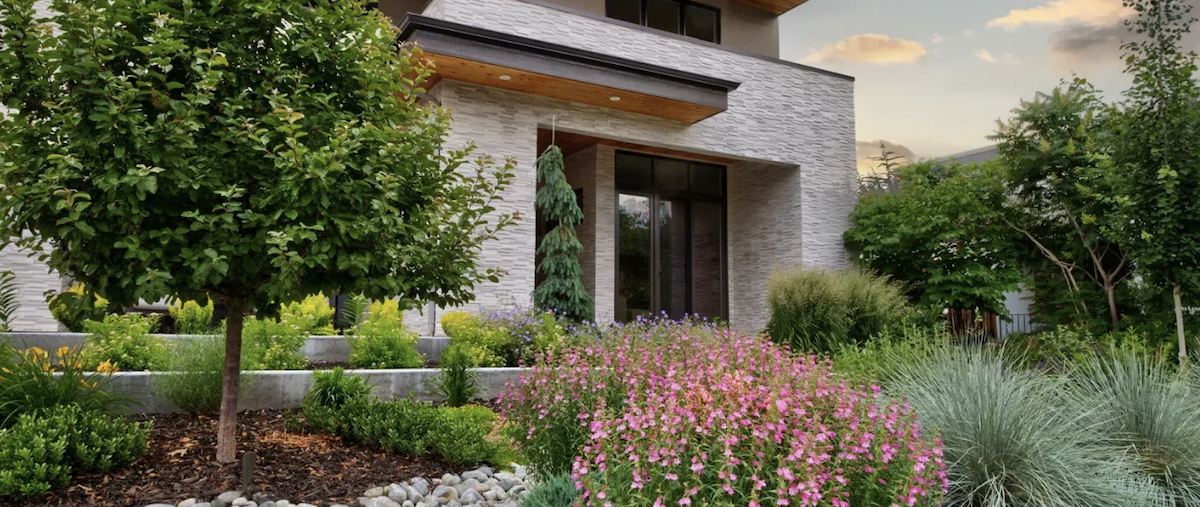
Every year brings fresh ideas about what outdoor spaces should look like and how they should function. Some trends are reactions to what came before, while others build on momentum that's been growing for years. The landscape design trends shaping 2026 reflect both currents: a continued push toward sustainability alongside a return to abundance and personal expression.
What stands out across the forecasts from designers, industry groups, and publications is a clear shift in priorities. Short-term aesthetics are out. Longevity, precision, and environmental responsibility are in. Homeowners want landscapes that work harder, last longer, and require less intervention over time.
For Colorado homeowners specifically, many of these trends align beautifully with what our climate and conditions already demand. Here's what's shaping landscape design this year and how these ideas translate to Colorado yards.
One of the strongest movements in 2026 landscape design is the focus on foundational planting that delivers interest across all four seasons, not just during peak bloom times.
The idea is straightforward: instead of chasing the showiest spring annuals or summer perennials, select plants that look beautiful as seasons shift. Various Dogwoods turn heads in winter when its bright stems glow against snow. Hydrangeas bloom in summer, then fade to dusty rose hues that persist through fall. Serviceberry offers spring flowers, summer berries, and vibrant fall color before revealing elegant branch structure in winter.
This approach resonates strongly in the Denver metro, where landscapes sit dormant for nearly half the year. Relying on spring and summer bloomers alone leaves your yard looking empty from November through April. But thoughtful foundational planting ensures there's always something compelling to see.
Mixing evergreen trees with deciduous varieties creates that beautiful backdrop of greens and oranges as seasons change. Ornamental grasses hold their form and color through winter, moving gracefully in Colorado's frequent breezes. Native shrubs with interesting bark or persistent berries keep landscapes visually engaging long after flowers fade.
The trend represents a longer view of garden planning. Rather than asking "What will look good in June?" designers are asking "What will this space offer in every month of the year?"
Large, open entertaining spaces dominated landscape design for years. Expansive patios, sweeping lawns, open-concept outdoor kitchens. The assumption was that bigger meant better.
The pendulum is swinging the other direction in 2026. Designers report growing demand for small, intimate spaces that feel like personal retreats rather than performance venues. Think nooks rather than stages, garden rooms rather than entertainment complexes.
Words like "cozy" and "refuge" keep appearing in trend forecasts. Homeowners want spaces where they can escape and connect with nature, not host crowds. Comfortable seating tucked among lush plantings. A quiet corner with a water feature. A fire pit scaled for conversation rather than a party.
This doesn't mean entertaining spaces are obsolete. But the design approach emphasizes flexibility: spaces that accommodate occasional gatherings while functioning beautifully for daily moments of solitude or small family time.
For Colorado homeowners, this trend aligns with the desire to maximize outdoor living in a climate with a relatively short warm season. Rather than one large patio used occasionally for big events, multiple smaller spaces encourage you to be outside every day. A morning coffee spot. An evening fire circle. A reading nook shaded by afternoon sun. Each serves a different purpose and extends how often you actually use your yard.
The front yard is finally getting the attention it deserves. For decades, front landscapes were afterthoughts: a patch of lawn, some foundation shrubs, maybe a few annuals by the mailbox. The real design energy went to backyards.
In 2026, designers report homeowners "really upping their game" with front entranceway design. The front yard is being treated as an extension of the home's interior, a transition space that welcomes visitors and expresses personality before anyone reaches the door.
Container gardens set the stage, but the trend goes further: seating areas that allow a moment of calm with morning coffee, decorative sculptures, artistic accents, and plantings designed to create genuine curb appeal rather than generic green space.
The key is restraint paired with intention. Successful front yard designs use organic materials like wooden planters mixed with living plants. They create standout moments without overwhelming the space. They balance functionality (a path to the door) with beauty (interesting plants along that path).
Denver's front-yard-friendly climate makes this trend particularly appealing. Our 300 days of sunshine mean outdoor seating actually gets used. Low-humidity conditions make container gardening practical. And frankly, many neighborhoods have front yards that see more foot traffic and social interaction than secluded backyards.
The native plant movement isn't new, but 2026 sees it strengthening rather than fading. More gardeners understand that native plants offer benefits extending far beyond lower maintenance.
Native plants evolved alongside local wildlife, providing exactly the food and habitat that pollinators, birds, and beneficial insects need. A garden full of natives becomes part of a larger ecosystem rather than an isolated ornamental display. And because they're adapted to local rainfall patterns and soil conditions, natives require less water, fewer amendments, and dramatically less intervention than exotic species.
The pollinator focus is expanding beyond just bees. Butterflies need host plants for caterpillars, not just nectar sources. Moths are crucial nighttime pollinators that appreciate evening-blooming flowers. Native bees require bare ground or hollow stems for nesting. Creating a truly pollinator-friendly garden means thinking about the full range of creatures that visit your landscape.
For homeowners, this trend dovetails perfectly with water-wise landscaping goals. Colorado native plants provide continuous bloom from spring through fall while requiring minimal supplemental irrigation once established. They support local ecology while reducing your water bill.
The "messy garden" aesthetic connects here too. Leaving seed heads standing through winter provides food for birds. Allowing leaf litter to remain offers shelter for overwintering insects. Perfection is being redefined as gardeners recognize that a healthy environment matters more than a manicured appearance.
Biophilic design connects people with nature for measurable wellbeing benefits. The concept isn't new, but it's gaining momentum as homeowners prioritize mental health and recognize how profoundly natural elements affect how we feel.
In landscape terms, biophilic design means creating spaces that engage all the senses: the fragrance of lavender, the sound of water or rustling grasses, textures you want to touch, colors that soothe or energize. It means bringing nature into daily life rather than viewing the garden as a separate, occasional destination.
Edible landscaping fits this trend perfectly. Fruit trees, berry bushes, and herb gardens integrated into ornamental design provide something tangible: you can taste your landscape. The trend of "foodscaping" blurs the line between decorative and productive, creating outdoor spaces that feed you literally as well as emotionally.
Water features continue gaining popularity, not just for visual appeal but for the calming sound they introduce. Even a small recirculating fountain changes how a space feels. Reflection ponds add meditative qualities that larger swimming pools can't match.
For Denver's climate, biophilic design might emphasize drought-tolerant aromatic plants like sage, lavender, and catmint that release fragrance in dry heat. It could incorporate native grasses that whisper in the wind. It might include edibles suited to Colorado's growing season, like raspberries, apples, and culinary herbs.
Technology is becoming more integrated into everyday gardening, and 2026 sees particular emphasis on "precision gardening": making informed decisions based on data for long-lasting results.
Smart irrigation systems that adjust to weather conditions reduce water waste dramatically. Soil sensors help you understand what's actually happening below ground rather than guessing. Gardening apps provide personalized advice based on your specific conditions rather than generic recommendations.
This isn't about replacing gardening intuition with algorithms. It's about combining hands-on knowledge with technology that helps you work smarter. When you know your soil type, drainage patterns, and microclimate conditions, you can choose plants that will thrive for decades rather than struggling for seasons.
For homeowners, smart irrigation offers particular value. Water costs add up quickly, and our climate punishes both overwatering and underwatering. Systems that track rainfall, temperature, and soil moisture help you deliver exactly what plants need without wasting resources.
As weather patterns become less predictable and wildfire seasons extend longer, homeowners are thinking about landscape resilience in ways they never did before.
Climate-resilient planting means choosing species that can handle both drought and occasional heavy rain, that tolerate temperature swings and unexpected late freezes. It means building soil health so plants can weather stress. It means designing landscapes that bend rather than break when conditions turn challenging.
Fire-wise landscaping has moved from mountain communities into suburban consciousness. Creating defensible space around homes, selecting fire-resistant plants, managing mulch and debris: these considerations are becoming standard practice even in areas that seem far from immediate wildfire threat.
For the Front Range, both concerns are increasingly relevant. Our climate is shifting toward hotter, drier summers with more intense precipitation events when rain does fall. Wildfire smoke regularly blankets the metro area, reminding homeowners how connected we are to fire danger in surrounding wildlands.
Design responses include choosing drought-tolerant plants that survive both water scarcity and occasional flooding. Rain gardens that capture intense storms and let water infiltrate slowly. Plant selection that favors species less likely to carry fire toward structures.
Material choices are shifting toward natural, authentic options and away from synthetic alternatives. Stone, wood, and locally sourced materials are preferred over manufactured products that mimic natural textures without delivering the real thing.
This connects to a broader desire for landscapes that feel rooted in place rather than imported from somewhere else. Regional materials, regional plants, regional design sensibilities create outdoor spaces that belong to their location rather than looking like they could exist anywhere.
The trend also encompasses what designers call "curated wildness": landscapes that feel organic and natural while maintaining intentional structure. Native plant palettes with controlled framework. Natural edges with visual flow. Gardens that look like nature participated in the design rather than being excluded from it.
This might mean using local stone rather than imported alternatives, incorporating native plants alongside carefully selected adapted species, and designing landscapes that echo the forms and colors of the surrounding mountain and prairie environments.
Trends offer inspiration, not mandates. The value is in understanding the broader movements shaping outdoor design and adapting the ideas that resonate with your specific situation.
What's consistent across this year's trends is a focus on longevity, authenticity, and environmental responsibility. Landscapes designed for decades rather than seasons. Materials and plants chosen for performance rather than momentary appeal. Outdoor spaces that support both human wellbeing and ecological health.
The short-term thinking that characterized previous generations of landscape design, flashy but unsustainable, is giving way to something more considered. That's good news for Colorado homeowners who want outdoor spaces that work beautifully year after year in our challenging climate.
At Ivy Street Design, we've spent over 30 years helping Denver homeowners create landscapes that balance beauty, function, and sustainability. Our design process considers current trends alongside your property's specific conditions and your personal vision.
Ready to explore what's possible for your outdoor space in 2026? Contact us to start the conversation.