

Thanks! We have received your form submission, we'll get back to you shortly!
Oops! Something went wrong while submitting the form
For an easy and low-maintenance design choice, ornamental grasses rank among the most useful plants you can include in your garden. They work with just about every style of yard, from modern minimalist to naturalistic prairie. Their benefits range from the purely practical to the deeply aesthetic.
Grasses provide structure and form, but also something most other plants cannot deliver: movement. Watch an ornamental grass catch the wind and you understand immediately why designers reach for them again and again. That gentle sway, the way light plays through translucent blades, the sound of seed heads rustling in a breeze. These sensory experiences transform a static garden into something alive.
For Colorado homeowners, ornamental grasses offer particular advantages. Many thrive in our semi-arid climate with minimal supplemental water once established. Native species connect your garden to the short grass prairie that once covered the Front Range. And grasses look their best exactly when many other plants fade, providing structure and interest from late summer through winter when gardens can feel sparse.
Colorado's semi-arid climate, intense sun, and dramatic temperature swings can challenge many garden plants. Ornamental grasses evolved for exactly these conditions. The Front Range sits within the short grass prairie region, where native grasses like blue grama and buffalo grass thrive on just 10 to 15 inches of annual rainfall.
Understanding this regional context helps explain why ornamental grasses perform so reliably here. The taller the grass species, generally the more water it requires. Tall grass prairie species like big bluestem evolved in regions receiving 25 to 30 inches of rain annually. Our short grass natives developed in areas receiving half that or less.
This means Denver gardeners can select from a spectrum of ornamental grasses based on water availability in different parts of their landscape. Dry, sunny slopes suit the truly drought-tolerant natives. Areas that receive more moisture from irrigation, downspouts, or natural drainage can support the showier Asian introductions that require more water.
The movement that grasses bring to gardens deserves special attention. Even the lightest breeze sets ornamental grasses swaying, adding a dimension that speaks to our senses in ways static plants cannot. Dense plantings of low grasses look wave-like as they ripple. Tall feathery types demand to be brushed with your fingertips. This animation transforms outdoor spaces from still pictures into living experiences.
Native grasses add a sense of place to Colorado gardens that imported species cannot match. They connect your landscape to the prairie heritage of the region while supporting local wildlife with familiar food sources and habitat.
Blue Grama holds the distinction of being Colorado's state grass. This small, clump-forming variety features distinctive eyelash-like seed heads that curve at right angles to the stems. Blue-gray leaves turn golden-brown in fall. Blue grama thrives in dry, sunny spots receiving just 10 to 15 inches of annual rainfall, making it perfect for xeriscaping and waterwise gardens. The cultivar Blonde Ambition has become a landscape designer favorite, offering chartreuse to blonde seed heads on taller, more robust plants reaching 28 to 32 inches. Its bright blue-green foliage and flag-like flowers held at dramatic horizontal angles bring a contemporary twist to this native favorite while maintaining excellent drought tolerance.
Little Bluestem stands very erect at 24 to 30 inches with fine foliage that catches the early morning and late afternoon sun beautifully when backlit. The blooms turn white in late summer, and the foliage transforms to copper tones that persist attractively through winter. Selections like The Blues and Prairie Blues offer striking blue foliage during the growing season. Little bluestem is exceptionally drought tolerant once established and provides habitat for butterfly larvae.
Big Bluestem, for its distinctive three-parted seed heads, represents the tall grass prairie. It can reach five feet or more in favorable conditions, with reddish and purple fall colors that make it a genuine statement plant. Root systems extend down more than ten feet, feeding soil organisms as portions die back annually. Big bluestem requires more water than short grass natives but less than many Asian ornamental grass introductions.
Prairie Dropseed has earned a devoted following among Colorado landscape professionals. This grass forms tight clumps that don't die out in the center like some species. The fine-textured foliage creates delicate movement even in gentle breezes. Perhaps most remarkably, prairie dropseed produces a subtle fragrance, described by some as cilantro or coriander, when in bloom. It's very drought tolerant and doesn't spread aggressively.
Beyond natives, several introduced ornamental grasses have proven themselves across decades of Colorado use. These deliver showy effects that native species cannot always match while still performing reliably in our challenging climate.
Karl Foerster Feather Reed Grass remains perhaps the most widely planted ornamental grass in Colorado, and for good reason. This upright, columnar grass reaches about six feet tall with feathery plumes that emerge reddish-brown in spring and turn golden through summer and fall. It's deer and rabbit proof, tolerates wet or dry conditions once established, and doesn't develop the dead centers that plague some grasses. The narrow form suits smaller spaces and contemporary designs. While overuse has made it feel ubiquitous in commercial landscapes, Karl Foerster remains an excellent choice for residential gardens where its reliability matters.
Fountain Grass, particularly the cultivar Hameln, brings softer texture and more graceful form than feather reed grass. Green, fine-textured blades reach about two feet tall, topped with soft foxtail-shaped seed heads. Foliage turns rust-gold in autumn and pale blonde in winter. Fountain grass looks spectacular when lit with landscape lighting, its plumes glowing against evening darkness. It pairs beautifully with late-season perennials and colorful shrubs. For smaller spaces or container plantings, Little Bunny Pennisetum offers all the charm of fountain grass in a compact 12-inch package, perfect for edging borders, tucking into rock gardens, or adding texture to patio containers.
Maiden Grass varieties offer some of the most dramatic ornamental grass options for Colorado gardens that can provide adequate moisture. These miscanthus species can reach eight to ten feet tall with graceful, arching forms and showy plumes. Zebra grass features horizontal cream stripes across green blades for striking variegation. Morning Light has narrow leaves with silver margins that shimmer in sunlight. For smaller gardens, Miscanthus sinensis Adagio stays compact at three to four feet with silvery plumes and excellent fall color, delivering the miscanthus look without overwhelming limited space. Maiden grasses need more water than natives or feather reed grass, so place them where irrigation or natural moisture provides what they require.
Pink Muhly Grass delivers one of the most spectacular fall displays of any ornamental grass. From September through November, clouds of cotton-candy pink flower plumes float above fine-textured green foliage, creating an almost ethereal effect in the landscape. Growing two to three feet tall and wide, pink muhly grass tolerates heat, drought, and poor soils once established. It makes a stunning mass planting or focal point and pairs dramatically with ornamental grasses in contrasting colors.
Blue Fescue delivers compact beauty in small spaces. This silver-blue grass grows in neat clumps about eight inches tall, perfect for borders, rock gardens, or ground cover applications. The selection Boulder Blue was developed locally and offers excellent color, form, hardiness, and drought tolerance. Blue fescue works beautifully with gravel mulches and contemporary hardscape materials.
Mexican Feather Grass (Nassella tenuissima) brings an entirely different character to the grass palette. Its incredibly fine, hair-like foliage moves with the slightest air current, creating a flowing, almost liquid quality in the landscape. Growing about two feet tall, this grass forms soft, blonde-green mounds that catch light beautifully and add romantic softness to contemporary or naturalistic designs. Note that Mexican feather grass can self-seed enthusiastically in favorable conditions, so consider placement carefully and check local guidelines.
Korean Feather Reed Grass (Calamagrostis brachytricha) offers a softer alternative to the ubiquitous Karl Foerster. Its silvery-pink plumes emerge in late summer and age to a warm tan, catching light with particular beauty. Unlike most ornamental grasses, Korean feather reed grass tolerates partial shade, making it valuable for locations that don't receive full sun. It grows three to four feet tall with an arching, graceful form that works well in naturalistic plantings or as a specimen.
One of the most effective uses for ornamental grasses involves softening the visual impact of stone, concrete, and other hard materials. A mix of grasses can edge patios, walkways, and driveways either informally for naturalistic effect or in regular patterns for contemporary designs. The result blurs the line between constructed surfaces and living landscape.
The cascading foliage of ornamental grasses works particularly well to obscure the rigid edges where pavement meets planting bed. Rather than a sharp transition, grasses create a gentle fade that makes hardscape feel integrated rather than imposed.
Grasses also soften the appearance of boulders and large stones, making them look like they've occupied the site for decades rather than arriving on a truck last month. The combination of hard rock and soft grass creates visual tension that holds attention and adds interest.
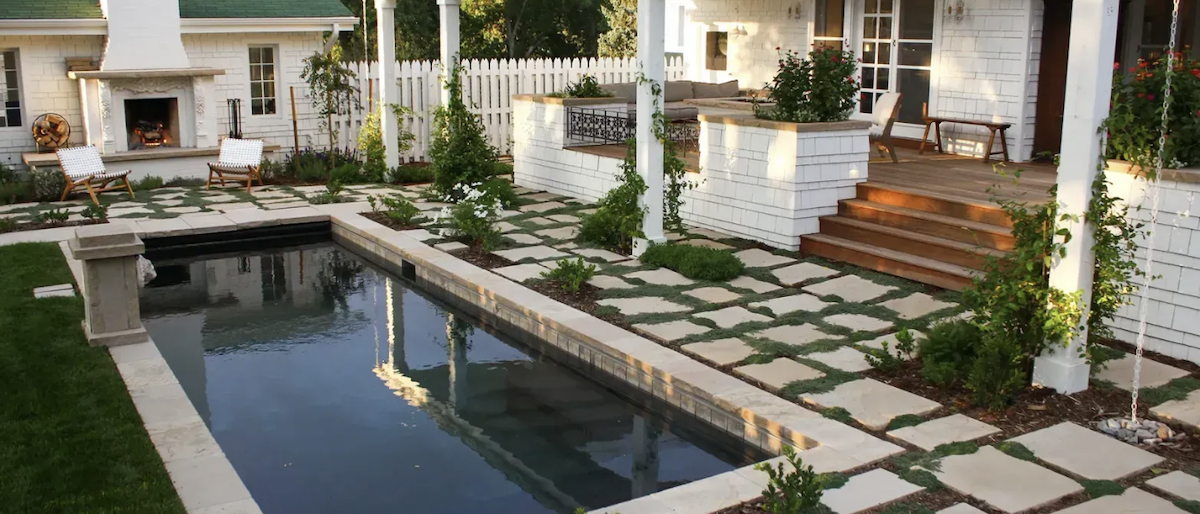
For pool surrounds, ornamental grasses create a pond-in-a-meadow atmosphere that feels more natural than traditional pool landscaping. Choose varieties that don't drop excessive litter, or you'll spend considerable time cleaning the water.
If your garden includes areas for relaxation or entertainment, ornamental grasses can create informal screens that enhance seclusion without the imposing feel of solid walls or dense hedges. The rippling movement of grass screens adds animation while still providing visual separation.
Tall varieties like feather reed grass, maiden grass, or big bluestem work well for this purpose. Plant them in drifts or rows depending on the formality you want. Informal groupings suit naturalistic gardens while regular spacing creates contemporary structure.
Unlike solid screens, grass plantings filter rather than block views. You maintain connection to surrounding landscape while gaining privacy from direct sightlines. Movement adds another layer of screening as grasses sway, constantly shifting what's visible through their foliage.
The seasonal nature of many grasses means privacy varies through the year. Deciduous varieties provide full screening from late spring through winter, then get cut back in early spring before new growth emerges. If year-round screening matters, incorporate evergreen grasses or sedges into the planting.
Ornamental grasses bring vertical presence and statement impact to flower beds and borders. Different varieties add height, depth, color, and dramatic flair that can serve as focal points or supporting players depending on placement and selection.
Pampas grass delivers the most flamboyant effect if you have space for its substantial size. These beauties need room to fulfill their majestic potential. Check with local extension services about invasiveness concerns before planting.
For more contained drama, miscanthus varieties like Zebrinus with its stripy cream and green blades create showy architectural features at the back of borders. The copper-pink flowers add another season of interest.
Consider placing tall grasses not just at the back of borders but occasionally in the middle or even toward the front. This creates movement throughout the planting and forms pockets where shorter perennials can be tucked. The result feels more dynamic than strict height graduation from front to back.
Grasses also excel as supporting players, providing subtle backdrop that makes flowering plants pop. A sweep of medium-height grasses behind coneflowers, salvia, or rudbeckia lets those blooms shine while adding texture and movement to the overall composition.
If you love the rewilding trend and want to embrace more biodiversity in your garden, landscaping with ornamental grasses fits naturally. Grasses are integral to naturalistic design approaches that mimic meadow and prairie ecosystems.
Naturalistic planting comprises large swaths of perennials and grasses that fill spaces rather than remaining confined to conventional borders. Plants intermingle at the edges, creating free flow that hints at nature's hand taking charge. The effect resembles wild meadows but results from careful design rather than neglect.
The key to naturalistic grass planting involves using plants in drifts rather than specimens. Rather than one fountain grass here and another there, plant groups of five or seven together and repeat those groupings across the space. This creates rhythm and cohesion while still feeling relaxed and organic.
Combine grasses with perennials that share their informal aesthetic: coneflowers, black-eyed Susans, salvia, verbena, sanguisorba, poppies. These plants all have a light and airy quality that partners perfectly with ornamental grasses. Many will self-seed to spread naturally through the planting.
For Colorado naturalistic gardens, consider mixing native grasses like little bluestem and prairie dropseed with native perennials like blanket flower, penstemon, and butterfly weed. The result connects to regional ecology while requiring minimal inputs once established.
Many ornamental grasses tolerate the fluctuating conditions found in rain gardens, where soil alternates between saturated during storms and dry between rainfall events. This adaptability makes grasses essential components of stormwater management plantings.
Sedges, though technically not true grasses, perform particularly well in rain garden conditions. Drooping sedge and other carex species handle wet feet during storms and dry periods between. Many are evergreen, providing year-round interest when other rain garden plants go dormant.
Switch grass thrives with the extra moisture rain gardens provide, reaching its full potential in locations that would be too wet for more drought-tolerant natives. Its pink-tinged seed heads and burgundy fall color reward gardeners who can provide adequate moisture.
Even blue grama, despite its drought tolerance, performs well in rain garden edges where it receives periodic moisture without staying constantly wet. The adaptability of native grasses to varying moisture conditions reflects their evolution in climates with unpredictable rainfall.
Ornamental grasses add significant vertical presence to winter landscapes when deciduous trees are bare and perennials have retreated underground. Left standing through winter, grass foliage and seed heads provide texture, color, and wildlife value during the coldest months.
The dried stalks of grasses catch frost and snow beautifully, creating sculptural effects impossible to achieve with other plants. Backlit by low winter sun, even dormant grasses glow with golden warmth against gray skies.
Birds appreciate grass seed heads as food sources and use dense grass clumps for shelter during winter storms. Leaving grasses uncut until late winter supports wildlife while extending garden interest through the bleakest season.
When you do cut grasses back in late winter or early spring, do so before new growth emerges. Most deciduous grasses benefit from being cut close to the ground, perhaps six inches above soil level for larger varieties. The dead material composts easily or can be saved for craft projects.
The key to successful ornamental grass landscaping lies in matching species to site conditions and design intentions. Consider water availability, sun exposure, mature size, and seasonal characteristics when selecting grasses for specific locations.
Plan for mature size. Grasses reach full dimensions in about three years. Design with that eventual height and spread in mind to avoid overcrowding. A grass that seems appropriately sized in a nursery container may overwhelm its neighbors when fully grown.
Think about combinations. Grasses pair beautifully with spring bulbs, which emerge and bloom while deciduous grasses are still dormant. As grass growth hides fading bulb foliage, the combination provides extended seasonal interest with minimal space requirements.
Consider lighting. Grasses look their best when backlit by morning or evening sun, their translucent blades and feathery plumes catching light in ways that solid-leaved plants cannot. Position important grass specimens where they'll receive that magical side or backlighting.
And remember that grasses serve as excellent team players. They blend effortlessly with shrubs and flowering plants, filling gaps while adding height, texture, and movement. In multiples, grasses have far more impact than as isolated specimens scattered through a landscape.
At Ivy Street Design, we've been incorporating ornamental grasses into Denver landscapes for over 30 years. Our designers understand which grasses thrive in Colorado's challenging conditions and how to use them for maximum impact while minimizing water and maintenance requirements.
Ready to add movement and texture to your garden? Contact us to start planning your ornamental grass installation.