

Thanks! We have received your form submission, we'll get back to you shortly!
Oops! Something went wrong while submitting the form
Your landscape doesn't have to hibernate when the snow flies. Colorado's unique climate, with its 300 days of sunshine, dramatic temperature swings, and semi-arid conditions, actually creates opportunities for stunning winter gardens that most homeowners overlook.
While your neighbors' yards turn into brown, lifeless spaces from November through March, yours can remain a source of pride. The secret lies in thoughtful planning and understanding what makes Colorado's winter landscape conditions different from the rest of the country.
Colorado landscapes sit dormant for four to five months each year. That's nearly half the time you could be enjoying your outdoor space, or at least admiring it through your windows on cold mornings.
The Front Range presents unique challenges. Temperatures can swing 40 degrees in a single day. Chinook winds bring sudden warm spells that trick plants into breaking dormancy too early. And despite our snowy reputation, Denver is technically a semi-arid climate where 12 inches of snow only delivers about one inch of actual water to your soil.
These conditions mean standard landscaping advice from other regions doesn't always apply here. You need plants and design strategies that can handle the extremes while still looking great under a blanket of fresh powder or during those bright, snowless January afternoons.
When deciduous plants drop their leaves, evergreens become the stars of your landscape. They provide color, structure, and visual weight that keeps your yard from looking abandoned.
But here's the thing: dotting evergreens around like green lollipops never quite works. You need a plan. The most effective approach layers evergreens of different heights to create soft transitions, mimicking what you see nature do at the edge of a forest.
The formula works like this. Tall conifers anchor the background, mid-sized shrubs fill the middle layer, and ground covers carpet the front.
This layering transforms what could be a random collection of green things into a garden with year-round dimension. Mix different shades of green with blue-toned foliage. Place taller specimens where they'll catch morning light, and use smaller evergreens to anchor flower beds that would otherwise disappear in winter.
Broadleaf evergreens add variety with their different leaf textures. They also produce berries that attract wildlife during lean winter months, a bonus that makes your landscape feel alive even in January.
Some people see frost as a garden problem, something to protect against and worry over. But with the right plants in place, it can actually turn your winter landscape into something magical.
Ornamental grasses become even more stunning as each seed head transforms into a chandelier of frost crystals catching whatever soft winter light there is.
On boxwood, frost outlines every leaf with delicate precision. Pines and firs achieve that classic Colorado postcard look when frosted. And Beautyberry's purple berries are absolutely stunning when glazed in ice.
Rather than fighting winter's effects, design your landscape to showcase them. Place plants with interesting textures where they'll catch morning frost, and you'll find yourself looking forward to cold nights for the display they create at dawn.
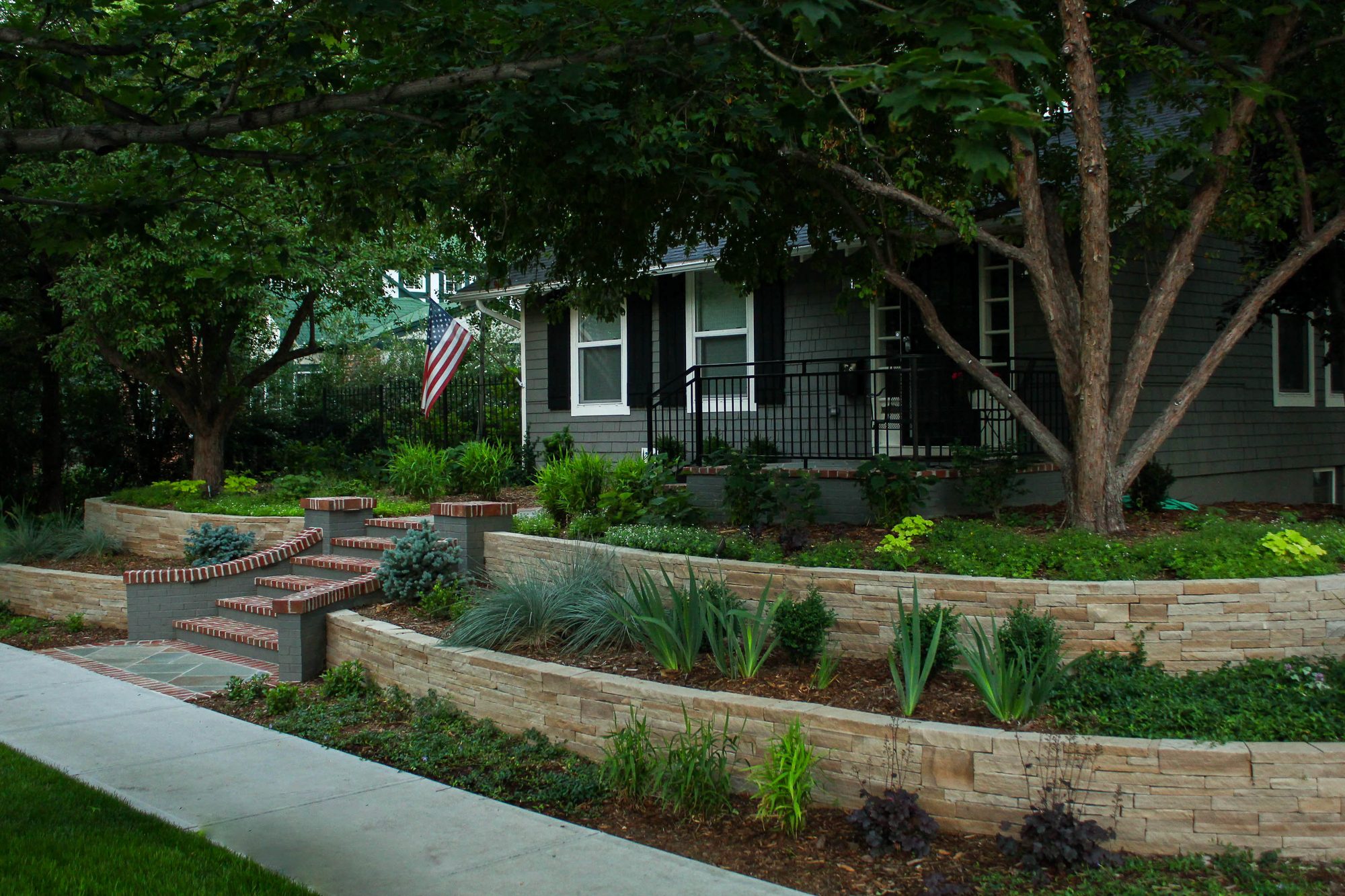
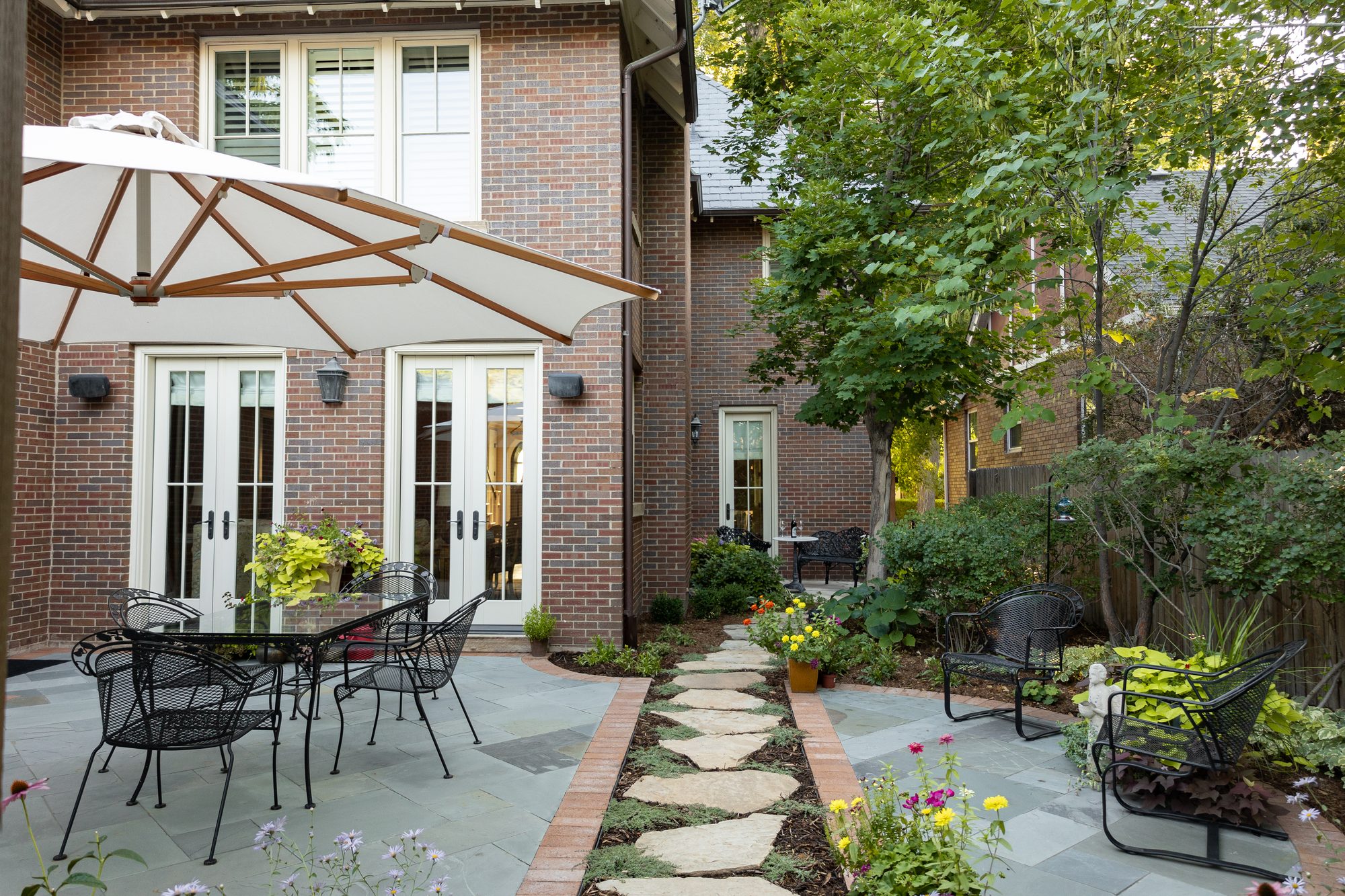
When plants go dormant, your hardscape features become the dominant visual elements. Stone pathways, patios, retaining walls, and decorative boulders that might fade into the background during lush summer months suddenly command attention.
This is why winter is actually an excellent time to evaluate your hardscape needs. Walk your property after the leaves have fallen and the perennials have been cut back. Where do you need better definition? What areas look empty or awkward? Where could a well-placed boulder or stone wall add year-round structure?
Materials matter more in Colorado's freeze-thaw cycle than in milder climates. Flagstone, granite, and river rock handle the dramatic temperature swings without cracking. Permeable pavers on pathways help prevent ice buildup by allowing moisture to drain rather than pooling and freezing.
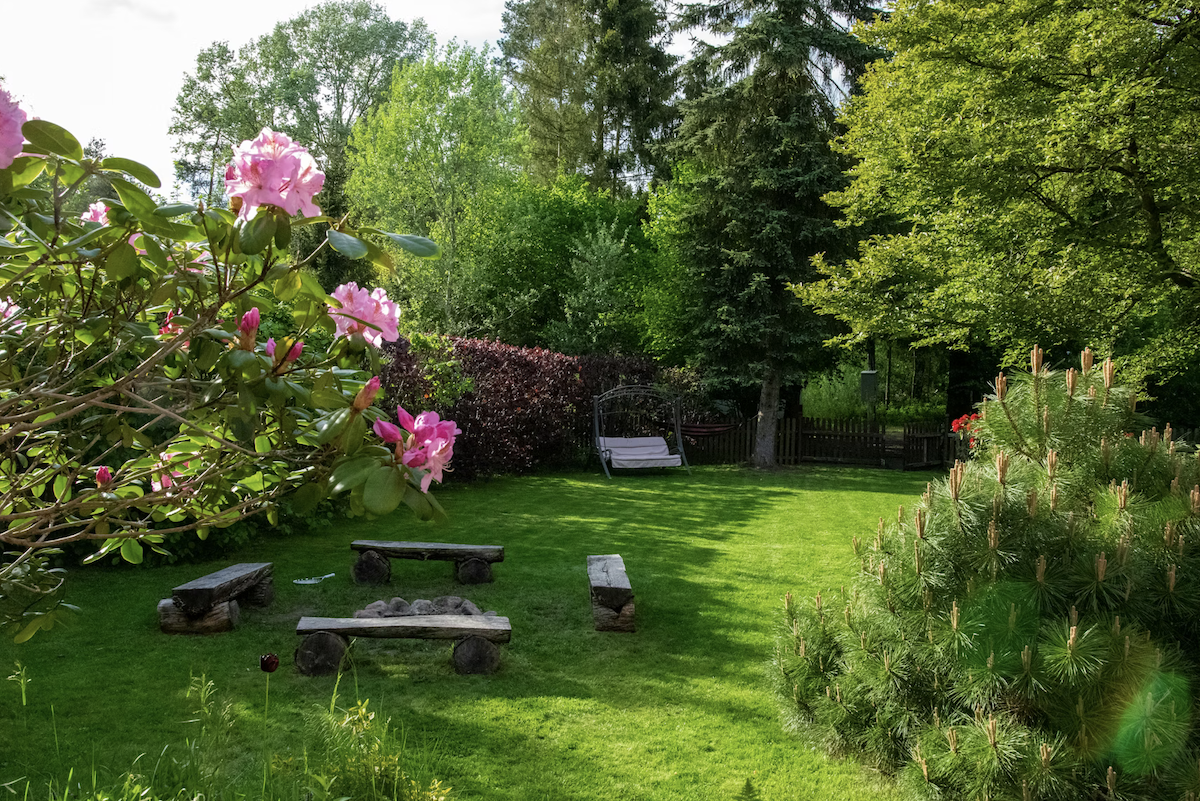
A firepit that actually gets you outside on cold days can extend your outdoor season by weeks. Picture yourself wrapped in blankets with something warm to drink, watching flames reflect off fresh snow. Even a simple stone patio with strategic seating creates a focal point worth viewing from inside, even when you're not sitting on it.
Basic elements can anchor a winter landscape beautifully. A bench draws the eye and creates focus. An arbor or pergola becomes sculptural when bare. Pathways of gravel or stone remain clean and visible, holding your garden composition together when color disappears.
Working with a tight budget? Invest in outdoor lighting for maximum impact. A few low-voltage path lights and a strong focal evergreen can completely transform how a yard feels in winter.
The low angle of winter sun creates dramatic lighting effects you don't see in summer. Shadows stretch long across snow. Backlit ornamental grasses glow golden in late afternoon. Tree bark catches side lighting that reveals textures invisible in summer's overhead sun.
Landscape lighting extends these effects into evening hours. Up-lighting a sculptural tree against fresh snow creates a magical effect. Path lights make winter evening walks safe and inviting. Consider putting outdoor lights on a timer so you can enjoy the view even on nights when you don't venture outside.
There's a practical benefit too. How lovely yard lighting can be when you're fumbling for your keys at 5 p.m. in December, and your landscape says "welcome home" instead of disappearing into darkness.
Here's something many Colorado homeowners don't realize: your plants need water even in winter. Our dry air and frequent wind desiccate evergreens and stress newly planted trees and shrubs.
Don't count on snow to do the watering for you. Much of our snowfall sublimates, evaporating directly from solid to gas without ever melting into the soil. On a sunny, windy January day, a foot of snow can disappear without contributing meaningful moisture to your plants.
Established trees and shrubs should be watered once a month during dry winters when temperatures are above freezing. Evergreens typically need it every two-three weeks because they continue transpiring moisture through their needles year-round. Winter stress on unestablished root systems is a major cause of plant failure the following spring.
Water during the warmest part of the day so moisture can soak in before temperatures drop. Focus on the root zone rather than the foliage.
Winter can damage vulnerable plants if you don't take precautions. Frost heaving pushes shallow-rooted plants out of the soil. Heavy snow loads crack branches. Desiccating winds suck moisture from broadleaf evergreens faster than frozen roots can replace it.
Mulch is your best defense. A two to three inch layer of wood chips or shredded bark around trees, shrubs, and perennial beds insulates roots from temperature extremes, retains soil moisture, and reduces frost heaving. Fresh mulch also defines beds and gives the garden that tended look. It's important for plant health and offers color and textural interest during the winter months.
Pull mulch a few inches away from tree trunks to prevent rot and rodent damage. For sensitive plants, burlap wraps or frost cloth provide wind protection without trapping too much heat.
Pruning dormant trees and shrubs in winter has several advantages. You can see the branch structure clearly without leaves blocking your view. Plants are less stressed by the surgery when they're not actively growing. And you'll remove dead, damaged, or crossing branches before heavy snow loads turn them into problems.
Creating a stunning winter landscape doesn't require a massive budget or a complete overhaul. The key is knowing how and where to start your planting. Start small, plant young, and build over time. This approach saves money while creating something that grows more beautiful each year.
Focus your efforts on a specific bed or area of the yard rather than trying to transform everything at once. A few ornamental grasses can anchor a winter view. Add a small evergreen for structure, and you've created a focal point that rewards attention in January as much as June.
Each season, add another layer. Another texture. Another source of winter interest. Over time, your landscape develops the depth and complexity that makes it feel established and intentional.
Winter is actually the ideal time to plan landscape improvements. The bare-bones view of your yard reveals problems that summer's lush growth conceals. You can see circulation patterns, identify views that need screening, and evaluate where structures or plantings would improve the space.
Working with a landscape designer during winter months means your project can be designed, documented, and scheduled before the spring rush. Contractors aren't as busy, timelines are more flexible, and you'll be first in line when planting season arrives.
Think about what frustrated you about your landscape last summer. Was the patio too hot? Did you wish for more privacy? Did certain areas flood or stay muddy? Winter is the time to address these issues so you're not just reacting when the growing season begins.
The best landscapes don't just survive winter. They shine in every season. With thoughtful plant selection, smart hardscaping, and attention to structure and form, your yard can be a source of beauty twelve months a year.
The key is thinking beyond flowers. When blooms are the only source of interest, your landscape has nothing to offer for half the year. But when you layer in evergreen structure, winter-interest plants, compelling hardscape features, and attention to form and texture, you create a space that rewards attention in January as much as June.
Winter doesn't have to mean waiting for spring. It can be its own season of beauty, if you design for it.
At Ivy Street Design, we've spent over 30 years creating landscapes that perform beautifully through Colorado’s challenging winters. Our design process considers year-round interest from the very first conversation, ensuring your outdoor space remains a source of pride no matter the season.
Ready to transform your winter landscape? Contact us to start the conversation.