Colorado gardeners face a familiar challenge every summer: keeping color in the landscape when the sun beats down, temperatures climb, and water restrictions kick in. The good news? Some of the most beautiful perennials actually thrive in these conditions. These plants have evolved to handle heat, drought, and intense sunlight, and they reward neglect with months of continuous blooms.
The secret to a vibrant summer garden in Colorado isn't fighting our climate. It's working with it. The plants on this list don't just survive our dry conditions; they prefer them. Plant them in well-drained soil, give them full sun, and watch them flourish from late spring through the first frost.
Why Colorado's Climate Rewards the Right Plant Choices
At 5,280 feet and above, Denver gardeners deal with conditions that would stress most traditional garden plants. Sunlight is 20 to 30 percent more intense than at sea level. Humidity hovers in the teens. Summer afternoon temperatures can swing 40 degrees from morning lows. And between June and September, we might see only a handful of significant rain events.
Plants native to Mediterranean climates, South African highlands, and the American Southwest feel right at home here. Many of these species have silvery foliage that reflects intense sunlight, deep taproots that access moisture far below the surface, or succulent leaves that store water for dry spells. Once established, they need little supplemental irrigation to thrive.
The result? Lower water bills, less maintenance, and a garden that actually looks better as summer progresses rather than struggling through August.

Long-Blooming Perennials for Colorado Gardens
Lavender
Few plants capture Colorado's essence quite like lavender. Native to Mediterranean regions with similar dry, sunny conditions, lavender thrives in our challenging climate while offering incredible sensory rewards. The silvery-gray foliage provides year-round structure, and summer's purple blooms attract bees and butterflies while releasing that signature calming fragrance.
English varieties like 'Hidcote' and 'Munstead' perform beautifully along the Front Range. 'Phenomenal' has proven exceptionally cold hardy, handling Colorado winters without the dieback that troubles other varieties. French lavenders like 'Grosso' and 'Provence' can succeed with good drainage and a protected microclimate.
Plant lavender in full sun with sharply draining soil. If you have heavy clay, amend generously with gravel or plant in raised beds. Once established, lavender needs water only during extended dry spells, and it actually performs poorly if overwatered.
Salvia (Meadow Sage)
If there's a workhorse perennial for Colorado gardens, it's meadow sage. This robust plant handles our clay soils without complaint, blooms from late spring through fall, and attracts every pollinator in the neighborhood.
'May Night' remains the gold standard, producing deep indigo flower spikes that earn their keep in any garden. The variety won Perennial Plant of the Year for good reason: it's nearly indestructible. Other excellent choices include 'Caradonna' with its dark purple stems and 'Blue Hill' for a softer blue tone.
The key to extended bloom is simple: when the first flush of flowers fades in early summer, cut the entire plant back by about half. You'll sacrifice a few weeks of flowers but gain a second, sometimes even third flush of blooms that carries through to frost. Bees adore salvia, and deer leave it alone.
Russian Sage
For that airy, lavender-blue haze that makes summer gardens feel romantic, nothing beats Russian sage. This semi-woody perennial grows 3 to 4 feet tall and wide, producing silvery foliage and clouds of tiny purple-blue flowers from July through October.
Russian sage laughs at heat and drought. It thrives in poor, rocky soil and actually flops in rich conditions. Full sun and sharp drainage are essential. The aromatic foliage deters deer and rabbits, and the late-season blooms provide crucial nectar for pollinators when many other plants have finished.
Cut Russian sage back hard in early spring, leaving about 6 to 12 inches of woody growth. New shoots will emerge from the base, and the plant will reach full size by midsummer.
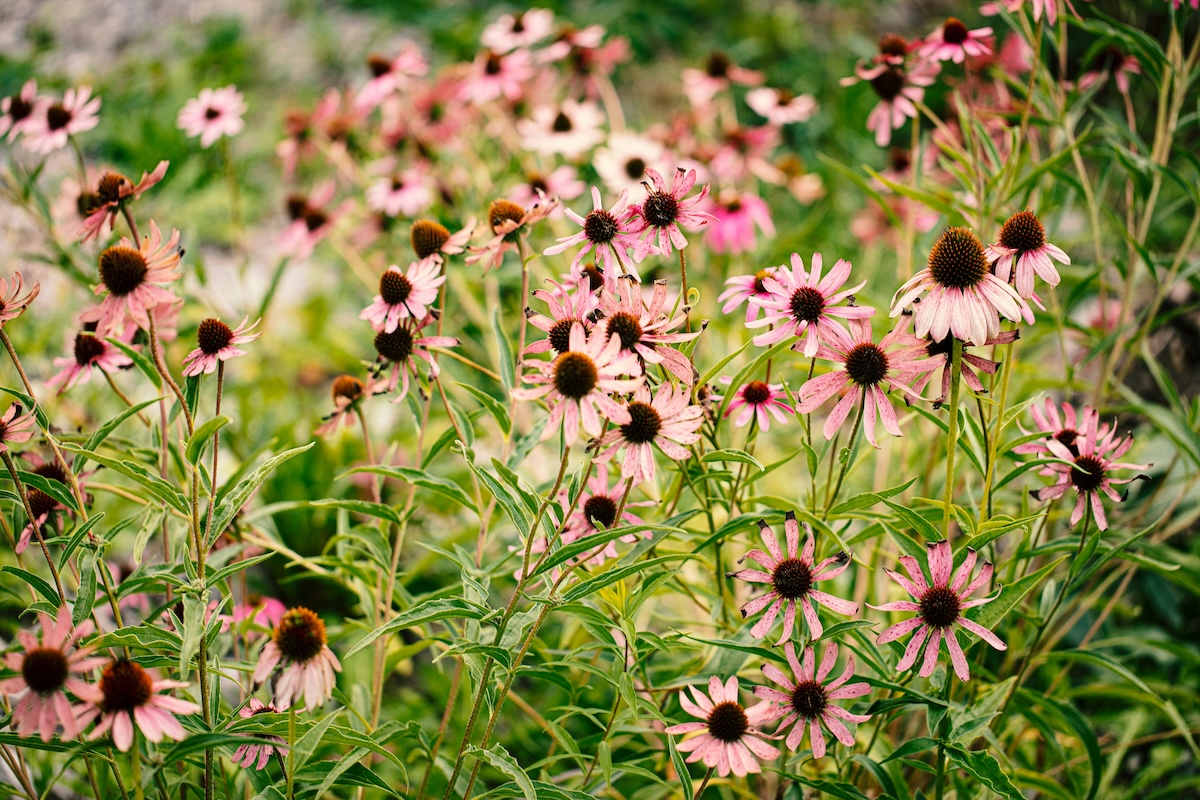
Purple Coneflower (Echinacea)
The classic purple coneflower belongs in every Colorado perennial garden. These tough, adaptable plants bloom from June through August, attract butterflies and bees, and provide seeds for goldfinches in fall and winter.
'Magnus' remains a top performer, with large flowers featuring petals held flat rather than drooping. For something different, try 'White Swan' for pure white blooms or one of the newer hybrid varieties in shades of orange, yellow, pink, or red. The hybrids offer exciting colors but tend to be shorter-lived than the straight species.
Coneflowers tolerate partial shade but bloom best in full sun. They handle clay soil well and need only occasional deep watering once established. Resist the urge to deadhead every spent flower; leaving some seed heads extends wildlife value and provides winter interest.
Catmint
Catmint offers the look of lavender with even less fuss. The gray-green foliage and lavender-blue flower spikes create a soft, billowing effect that works beautifully at the front of borders, along pathways, or spilling over walls.
'Walker's Low' (which actually grows about 2 to 3 feet tall despite the name) is the most popular variety and performs exceptionally well along the Front Range. 'Six Hills Giant' reaches 3 feet or more for larger spaces. Both bloom from late spring through fall with minimal intervention.
Like salvia, catmint benefits from a midseason haircut. When flowering slows in midsummer, shear the entire plant back by half. Within a few weeks, fresh growth and a new flush of flowers will appear. Catmint is drought tolerant, deer resistant, and beloved by bees.
Blanket Flower (Gaillardia)
For hot colors that echo a Colorado sunset, blanket flower delivers. These cheerful plants produce red and yellow daisy-like blooms from early summer until frost, often continuing to flower even when other perennials have given up in August heat.
Blanket flowers are native to the American prairie and thrive in poor, dry soil. They actually perform worse in rich, amended beds, where they tend to grow leggy and flop. Plant them in full sun, water sparingly, and enjoy months of continuous bloom.
'Arizona Sun' and 'Goblin' are compact varieties that stay tidy without staking. For larger displays, the straight species grows 2 to 3 feet tall and spreads readily. Blanket flowers are short-lived perennials (usually 2 to 3 years), but they self-seed generously, ensuring a continuous presence in the garden.
Agastache (Hummingbird Mint)
If you want hummingbirds in your garden, plant agastache. These fragrant perennials produce spikes of tubular flowers in shades of orange, pink, purple, and salmon that hummingbirds find irresistible. The aromatic foliage smells like mint or licorice, depending on the variety.
'Apache Sunset' blooms in sunset orange from midsummer through fall, earning devoted fans wherever it's planted. 'Blue Fortune' offers lavender-blue spikes and exceptional hardiness. 'Coronado Red' brings deep coral-red flowers that glow in late afternoon light.
Agastache prefers lean, well-drained soil and full sun. It handles drought beautifully once established and remains deer and rabbit resistant. The plants often reseed, creating naturalistic drifts over time.
Hardy Ice Plant (Delosperma)
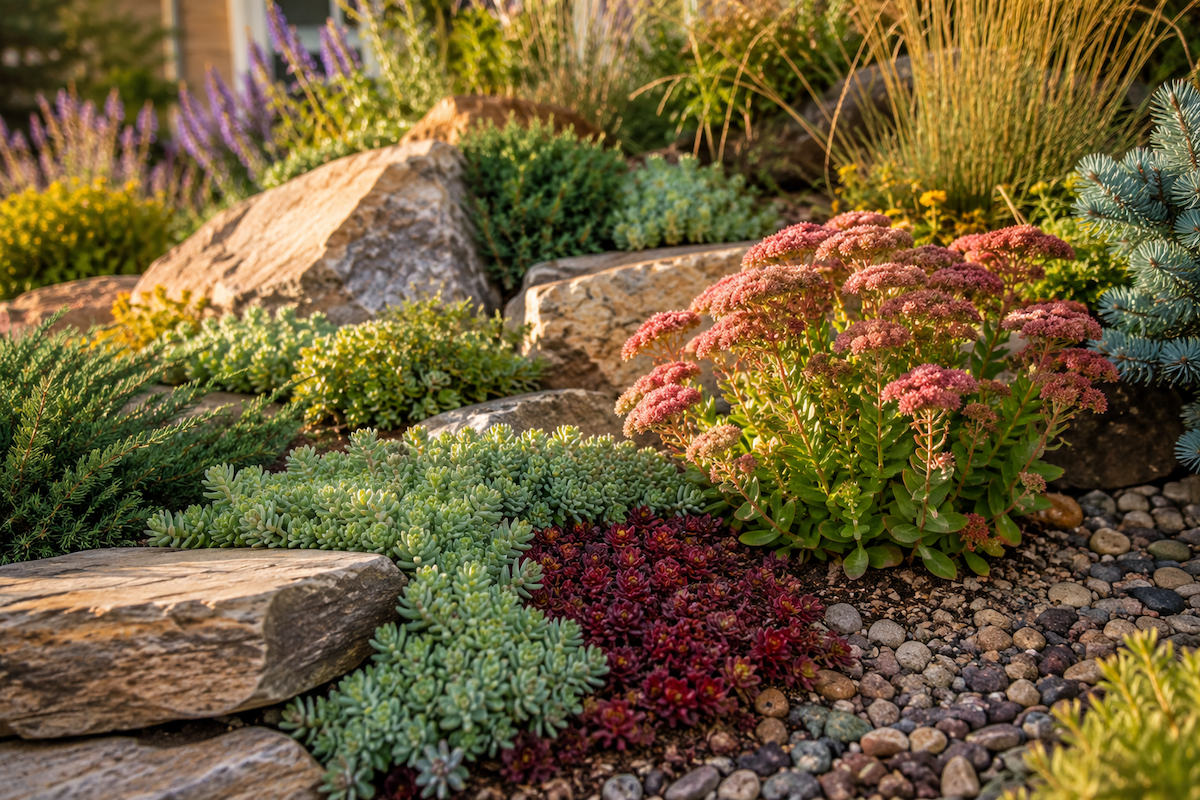
For blazing color at ground level, nothing matches hardy ice plant. These succulent groundcovers carpet the soil with fleshy green leaves and produce masses of daisy-like flowers in neon shades of magenta, orange, yellow, pink, and red.
Ice plant was first introduced to American gardeners through Denver Botanic Gardens in the early 1990s, and it has become a staple of water-wise gardens across the Front Range. 'Fire Spinner' produces stunning bicolor blooms in orange and purple. 'Lavender Ice' offers softer pastel tones. The classic Cooper's ice plant (Delosperma cooperi) covers itself in magenta flowers from June through September.
Plant ice plant in full sun with excellent drainage. Gravel mulch helps keep the crown dry and prevents rot. Once established, these succulents need almost no supplemental water and spread vigorously to cover bare ground.
Penstemon (Beardtongue)
Colorado is penstemon country. These native wildflowers have adapted over millennia to our thin soils, intense sun, and dry conditions. In return for a spot in well-drained soil, they produce spikes of tubular flowers that hummingbirds and bees adore.
Rocky Mountain penstemon (Penstemon strictus) is the classic choice, with spikes of deep blue-purple flowers in late spring and early summer. 'Red Rocks' blooms for months with rose-pink flowers. 'Midnight' offers the darkest purple blooms of any penstemon.
Penstemons prefer lean soil and resent overwatering. Plant them in full sun with sharp drainage, avoid mulching close to the crown, and let them reseed naturally. A single planting can establish self-sustaining colonies that return reliably year after year.
Yarrow
Yarrow is the definition of tough. This spreading perennial produces flat-topped clusters of flowers in shades of yellow, white, pink, red, and coral from late spring through early fall. The ferny foliage adds texture even when plants aren't blooming.
'Moonshine' offers soft yellow flowers and silvery foliage that looks beautiful all season. 'Paprika' brings warm red tones that fade to pink and gold. The common white yarrow (Achillea millefolium) naturalizes readily and attracts beneficial insects.
Yarrow spreads by underground runners, so give it room or be prepared to edit periodically. It handles poor soil, drought, and heat without complaint. Full sun brings the best flowering, though plants tolerate light shade.
Design Tips for a Drought-Tolerant Summer Garden
The most successful water-wise gardens combine plants with similar needs and complementary textures. Pairing fine-textured plants like Russian sage and catmint with bold-leaved agastache and coneflower creates visual interest that carries through the season.
Consider bloom times when planning your layout. Salvia and catmint peak in early summer, while agastache and Russian sage carry the show into fall. Blanket flower and coneflower bridge the gap, blooming steadily from June through August. Ice plant and penstemon provide early color, then shift attention to foliage as other plants take center stage.
Silvery foliage plants like lavender, Russian sage, and artemisia reflect light and remain attractive even when not flowering. They also help cool the garden visually during the hottest months.
Group plants in drifts of three, five, or seven rather than dotting single specimens throughout the bed. This creates bolder impact and makes maintenance easier. Mulch with gravel rather than wood chips; gravel reflects heat, improves drainage, and echoes the look of Colorado's natural landscapes.
Getting Established: The First Year Matters
Even drought-tolerant plants need regular water during their first growing season. The goal is to encourage deep root development that will sustain them through future dry spells. Water deeply once or twice a week rather than lightly every day. By the second summer, most of these plants will need only occasional supplemental irrigation during extended dry periods.
Fall planting gives perennials a significant advantage in Colorado. Roots continue growing through mild fall and early winter weather, establishing strong networks before summer heat arrives. Spring-planted perennials can succeed but need more attentive watering through their first summer.
Prepare your soil appropriately for the plants you're adding. Most drought-tolerant perennials prefer lean, well-drained conditions. Heavy clay benefits from gravel or expanded shale worked into the planting area. Avoid excessive amendments; rich soil encourages lush growth that flops in summer storms and requires more water to maintain.
A Garden That Thrives When It Matters Most
The best Colorado gardens don't fight our climate; they celebrate it. The plants on this list have proven themselves over decades in Front Range gardens, rewarding smart choices with months of continuous color while sipping water and shrugging off heat.
Whether you're starting a new garden or converting thirsty lawn to a more sustainable landscape, these drought-tolerant perennials offer beauty that lasts all summer. Choose a few favorites, give them the conditions they prefer, and enjoy a garden that looks better every year.
Planning a water-wise garden for your Denver home? Ivy Street Design creates custom landscape plans that combine beautiful design with plants suited to Colorado's unique climate. Contact us to discuss your project.