

Thanks! We have received your form submission, we'll get back to you shortly!
Oops! Something went wrong while submitting the form
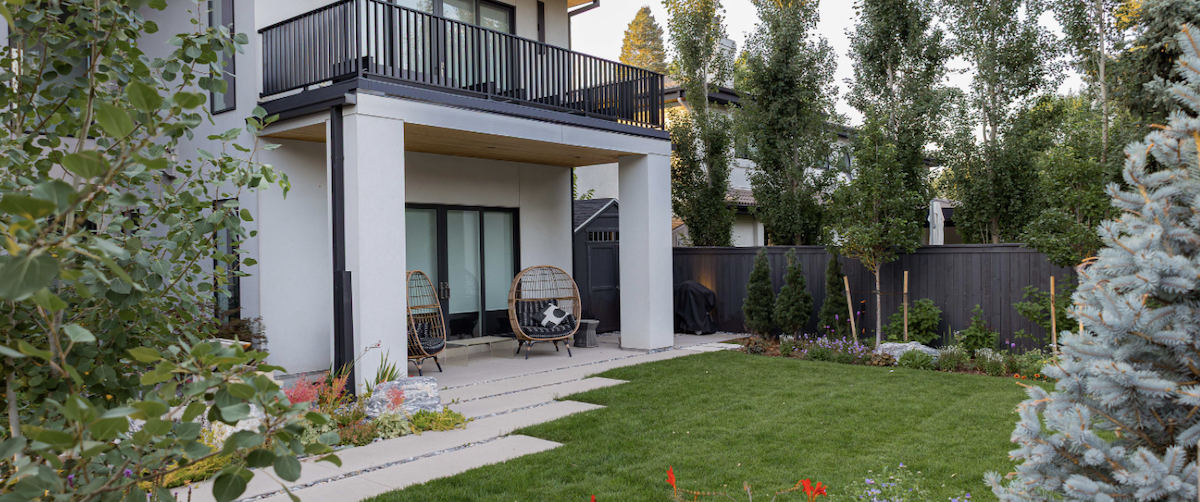
Looking for a landscape design that saves water, costs less to install, and looks stunning year-round? Gravel gardens might be exactly what your property needs.
At first glance, "gravel garden" might sound like a contradiction. Why choose crushed stone when you could have lush grass or permanent hardscape? The answer comes down to three compelling reasons: gravel gardens look lovely, cost little, and offer major environmental benefits. This is especially true here in Colorado where water conservation matters.
Gravel works as a chameleon in landscape design. It creates a soft, three-dimensional surface that's still uniform, becoming an instant backdrop that naturally focuses attention on surrounding plants, architectural features, and outdoor living spaces. Against gravel, everything else pops.
The versatility of gravel makes it suitable for numerous applications throughout your property. Consider using gravel as a patio surface where you want a relaxed, Mediterranean feel. It works beautifully on driveways, especially long approaches to homes where the crunch underfoot announces arrivals. Gravel pathways create natural flow through garden beds, and as mulch around drought-tolerant plantings, gravel helps retain moisture while preventing weed growth.
One of gravel's greatest strengths is how well it complements other hardscape materials. Whether your home features stucco, painted brick, or natural wood, there's a gravel color and texture that will blend seamlessly with your existing design. Light-colored gravel looks particularly striking against white-painted surfaces, while gray tones work handsomely with brown, black, and natural wood elements.
For homeowners concerned about water usage, gravel gardens offer a practical solution. Traditional lawn grass requires significant irrigation, and in Colorado's semi-arid climate, outdoor watering can consume a substantial portion of household water use. Replacing even a portion of your lawn with a thoughtfully designed gravel garden reduces your water footprint while maintaining (or even enhancing) your property's curb appeal.
Beyond reducing irrigation needs, gravel gardens actually help manage stormwater. Unlike solid hardscape surfaces that create runoff, gravel is permeable. Rainwater filters through the stone and into the earth below, reducing erosion and helping recharge groundwater. This makes gravel an environmentally responsible choice that works with Colorado's natural water cycle rather than against it.
The most successful gravel gardens follow a simple principle: let the gravel blend in, not compete. Choose a gravel color that complements rather than contrasts with your home's exterior and existing hardscape. The goal is to create a serene backdrop that draws the eye to focal points, whether that's a sculptural planting, a fire pit seating area, or architectural elements like pergolas and trellises.
Stone size matters more than you might think. For patios, paths, and other high-traffic areas, smaller gravel (⅜ inch or less) creates a more stable surface. In areas where you expect bare feet, such as around pools or spa areas, even finer gravel at ¼ inch provides comfort underfoot. Larger stones work better as accent elements or in areas with minimal foot traffic.
Gravel gardens are remarkably low-maintenance. You won't need to mow, and weeding is minimal once the garden is established. The satisfying crunch underfoot provides a natural security feature since you'll hear anyone approaching. Installation costs run significantly less than brick, wood, or solid stone alternatives. And if you decide to change things up later, gravel can be relocated or removed far more easily than permanent hardscape.
Gravel does have some practical limitations worth considering. Snow removal can be trickier than on solid surfaces because shoveling risks displacing the stone. Dining furniture may wobble slightly on gravel surfaces, so it works better for lounge seating than formal outdoor dining. Plan to replenish your gravel every few years as some settles or disperses over time.
Compared to other hardscape materials, gravel is forgiving to work with. After clearing the existing surface (whether that's removing old concrete, digging up lawn, or simply preparing bare ground) the area is compacted with a roller. A layer of base rock goes down first, followed by approximately three inches of your finished gravel, raked smooth.
The most challenging aspect of a gravel garden installation is often removing what was there before. Demolishing an old concrete patio or removing established turf with its root system requires real effort. This is where professional landscape design and installation pays dividends, ensuring proper preparation, appropriate drainage, and a finished result that looks intentional rather than improvised.
Whether you're looking to replace thirsty lawn areas, create an inviting patio space, or design a low-maintenance landscape that complements Colorado's natural environment, gravel gardens offer design flexibility that few other materials can match.
At Ivy Street Design, we've been transforming Denver landscapes for over 30 years, and we've seen gravel gardens become an increasingly popular choice among homeowners who value both aesthetics and sustainability. Our team of licensed landscape architects can help you determine if a gravel garden is right for your property and design a solution that enhances your outdoor living experience. Contact us to start the conversation about your next landscape project.
A gravel garden is an area with a crushed stone surface that can be used as a patio, driveway, pathway, or mulch around plants. It creates a soft, uniform backdrop that highlights surrounding plantings and architectural features.
Gravel is one of the more affordable hardscape options. Installation costs run significantly less than brick, wood, or solid stone alternatives, making it a budget-friendly choice for homeowners looking to transform their outdoor spaces.
No. Gravel gardens are low-maintenance. You won't need to mow or water, and weeding is minimal once the garden is established. The main upkeep is occasional raking to keep the surface smooth and replenishing the gravel every few years.
For patios, paths, and high-traffic areas, use gravel that is ⅜ inch or smaller for stability. In areas where bare feet are expected, like around pools, use ¼ inch gravel for comfort. Larger stones work best as accents in low-traffic areas.
Yes. Gravel gardens are ideal for Colorado's semi-arid climate because they don't require irrigation like traditional lawns. They're also permeable, allowing rainwater to filter into the ground rather than creating runoff.