

Thanks! We have received your form submission, we'll get back to you shortly!
Oops! Something went wrong while submitting the form
The secret to a thriving landscape isn't just picking the right plants. It's understanding how plants naturally want to grow together.
Here's something that might change how you think about your garden: plants are social. They don't exist as isolated objects in nature. They grow in communities, layered together in patterns shaped by how they reproduce, what conditions they tolerate, and how they interact with their neighbors.
Landscape architect Thomas Rainer describes this as reading a plant's "body language." Every plant's shape, height, and growth habit tells you something about where it belongs and who it wants to grow with. A tall plant with an open, airy structure is signaling that it evolved with companions growing beneath it. A dense, spreading groundcover is telling you it wants to fill gaps and cover soil.
When we ignore these signals and arrange plants purely for decoration, we often create gardens that struggle. The beds never quite look right. They require constant maintenance to keep plants from encroaching on each other or leaving bare soil exposed.
Traditional horticulture treats plants as objects. We arrange them in masses of single species, space them apart, and fill the gaps with mulch. This approach comes from a design mindset focused on control and tidiness.
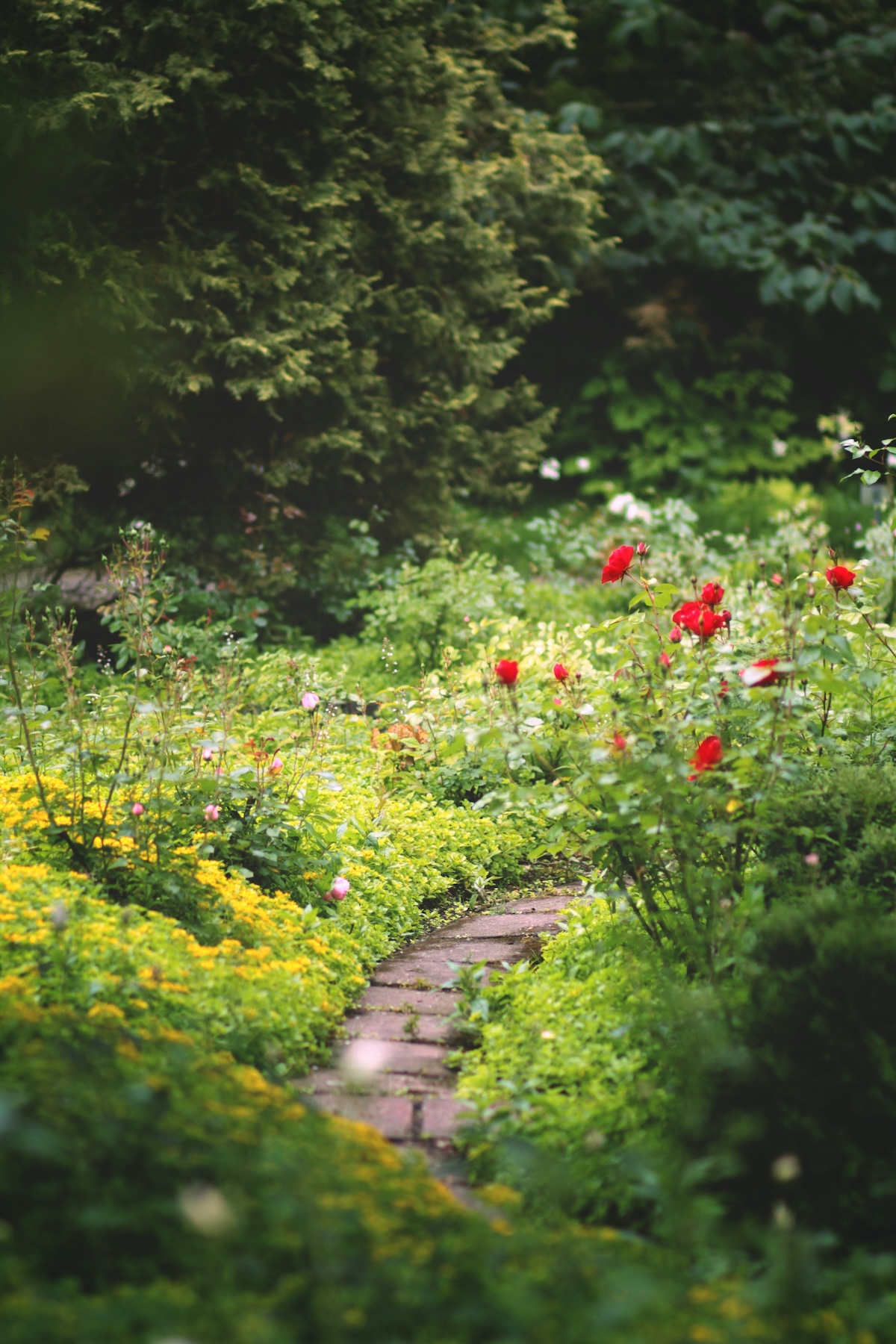
The problem is that plants didn't evolve to grow this way. In nature, you rarely see bare soil. You don't see neat rows of identical plants with wood chips between them. Instead, you see layers: groundcovers beneath perennials beneath shrubs beneath trees, all woven together in dense communities where every inch of soil is covered by living roots.
Gardens designed against this natural tendency fight an uphill battle. Weeds colonize the bare mulch. Plants that want companions struggle in isolation. The gardener ends up doing work that plants would do for themselves if given the chance.
So how do you figure out what a plant is trying to tell you? Start by observing its physical structure.
Height and density reveal a plant's layer. Low, spreading plants are groundcover types that want to carpet the soil. Taller plants with bare stems at the base evolved with shorter plants growing around their feet.
Spread pattern indicates social behavior. A plant that spreads by runners or rhizomes wants to mingle and fill space. A plant that stays in a tight clump prefers defined territory.
Foliage structure suggests light preferences. Large, broad leaves typically indicate a plant that thrives in shade or the lower layers of a planting. Fine, narrow leaves often belong to plants adapted to full sun and exposed conditions.
Root depth matters for water competition. Deep-rooted plants can share space with shallow-rooted neighbors without fighting for the same resources.
Colorado's climate creates specific conditions that favor certain plant communities. Our intense sun, alkaline soils, dry air, and dramatic temperature swings mean plants need to be genuinely adapted to thrive here, not just survive.
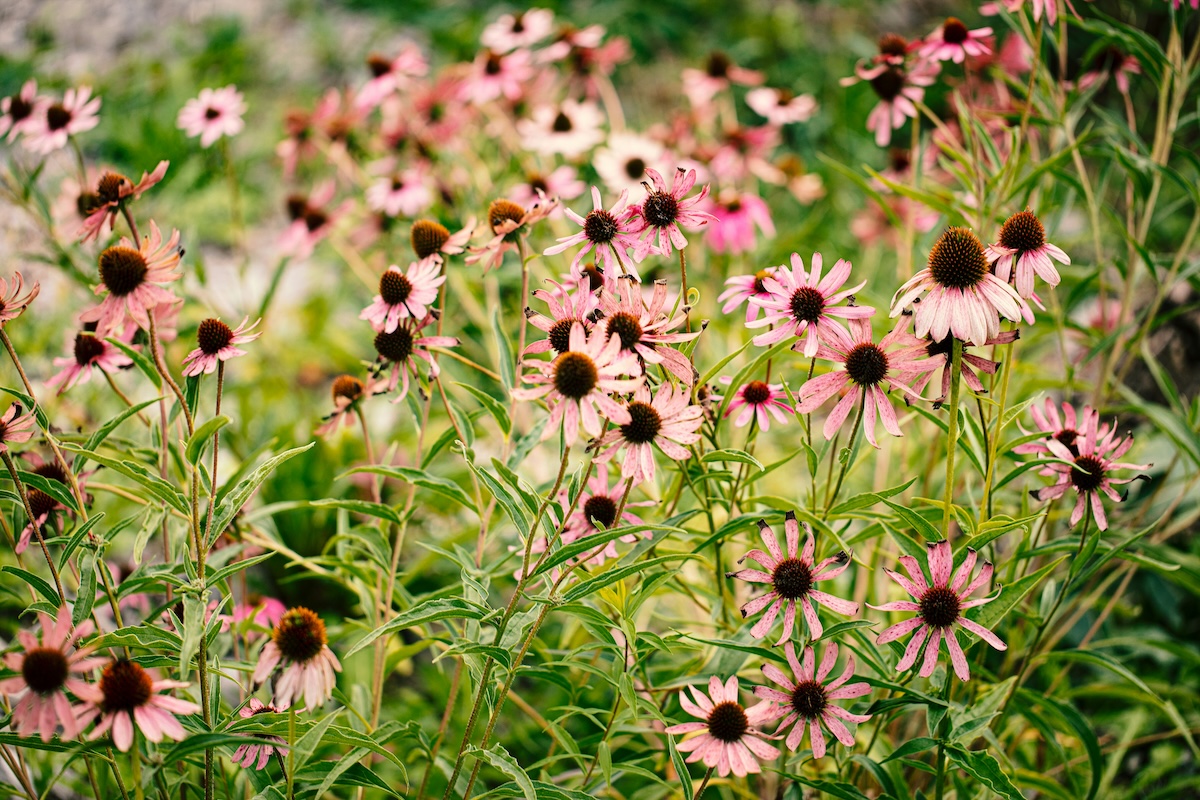
The good news is that many plants suited to our climate naturally form attractive communities. Prairie plants like blue grama grass, purple coneflower, and butterfly weed evolved together on the high plains. They know how to share space, stagger their bloom times, and support each other through drought and cold.
Mountain plants offer another palette. Species from our foothills and montane zones are adapted to Colorado's specific combination of intense UV, cold nights, and variable moisture. When grouped with compatible companions, they create resilient plantings that improve over time rather than decline.
One practical takeaway from thinking about plants as communities: cover more soil with plants, not mulch.
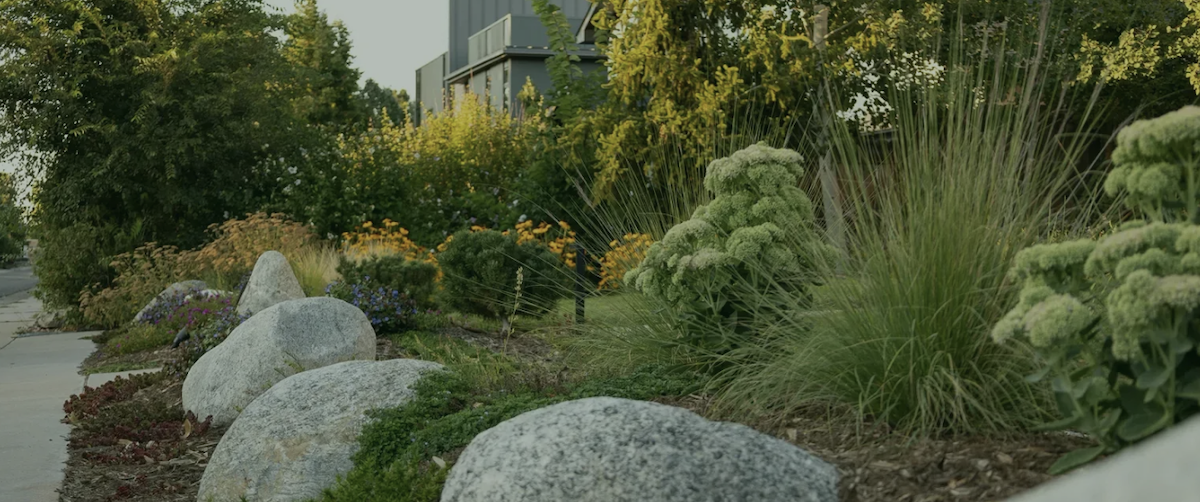
Dense plantings where groundcovers, perennials, and shrubs interweave create what designers call "living mulch." The plants themselves suppress weeds, retain moisture, moderate soil temperature, and build organic matter as leaves fall and decompose. This reduces maintenance while creating the lush, abundant look that draws people into a garden.
The key is choosing plants that naturally layer well together. A tall ornamental grass can have a spreading groundcover at its feet. A flowering perennial can emerge through a carpet of low sedge. The combinations are endless once you start thinking about plants as partners rather than standalone specimens.
Gardens designed around plant communities require a different kind of care. Instead of fighting against natural plant behavior through constant pruning, dividing, and gap-filling, you work with it.
This means observing how plants move and spread over time, allowing successful combinations to expand, and editing out plants that aren't thriving in their spot. It's management rather than maintenance. The goal is a garden that becomes more stable and self-sustaining each year, not one that needs the same interventions repeated indefinitely.
Whether you're starting from scratch or rethinking existing beds that aren't working, considering plants as social creatures opens new possibilities. Instead of asking "what plant do I want here?" you start asking "what community of plants would thrive in these conditions?"
The answers lead to gardens that look better, require less work, and function more like the natural landscapes that inspire us. They're gardens where plants are genuinely happy, and that happiness shows.
At Ivy Street Design, we approach planting design with an understanding of how plant communities function. Our team selects plants not just for their individual beauty, but for how they'll work together in Colorado's unique conditions. The result is landscapes that establish faster, require less ongoing maintenance, and look more natural and abundant year after year.
Contact us to discuss how community-based planting design could transform your outdoor space.
Plants naturally grow in communities, not isolation. They layer together with groundcovers beneath perennials beneath shrubs, each species filling a specific role. Understanding these relationships helps you choose plants that will thrive together rather than compete.
Look at its physical structure. Height and density reveal what layer it belongs in. Spread pattern shows whether it wants to mingle or stay put. Large leaves often indicate shade tolerance, while fine leaves suggest sun adaptation. These clues tell you where a plant belongs and what companions it needs.
Plants didn't evolve to grow in isolation surrounded by bare mulch. When we arrange them this way, weeds colonize the gaps, plants struggle without companions, and we end up doing work that plants would naturally do for themselves in a community setting.
Living mulch refers to dense plantings where groundcovers and low perennials cover the soil instead of wood chips. The plants suppress weeds, retain moisture, and build healthy soil while creating a lush, full appearance that improves over time.
Prairie plants like blue grama grass, purple coneflower, and butterfly weed evolved together and naturally share space well. Mountain and foothill species adapted to Colorado's intense sun, alkaline soils, and temperature swings also form resilient communities when grouped with compatible companions.