

Thanks! We have received your form submission, we'll get back to you shortly!
Oops! Something went wrong while submitting the form
The most forward-thinking garden design trend isn't about a particular style. It's about creating outdoor spaces that support biodiversity while still looking intentional and beautiful.
An ecological garden goes beyond simply choosing a few native plants. It's a landscape designed to function as a living system, supporting pollinators, storing carbon, managing stormwater, and creating habitat for birds and beneficial insects. The goal is to create what landscape architect Claudia West of Phyto Studio calls "richly woven ecologically functional spaces" that serve both humans and the broader environment.
This approach represents a shift in how we think about residential landscapes. Traditional horticulture focused primarily on decoration. Ecological design asks a bigger question: how can this garden contribute to the health of the larger ecosystem while still being a place people want to spend time?
One of the biggest barriers to ecological gardening has been perception. Looser, more naturalistic plantings can read as neglected rather than designed. This is where the concept of "cues to care" becomes essential.
Coined by University of Michigan landscape architecture professor Joan Nassauer, cues to care are design elements that signal a landscape is intentional and being looked after. These visual cues help bridge the gap between ecological function and neighborhood acceptance. They're particularly important in front yards and other visible areas where a wilder aesthetic might raise eyebrows.
The good news is that ecological gardens don't have to look wild or unkempt. With thoughtful design, they can be as polished as any traditional landscape while doing far more environmental good.
There are virtually no right angles in nature, which means geometric elements instantly communicate human intention. Straight-edged beds, rectangular planting areas, and grid patterns all signal that a space is designed, not abandoned. Inside those geometric frames, plants can grow freely with natural abundance.
This contrast between structured edges and loose plantings creates visual interest while reassuring neighbors (and HOAs) that the landscape is cared for.
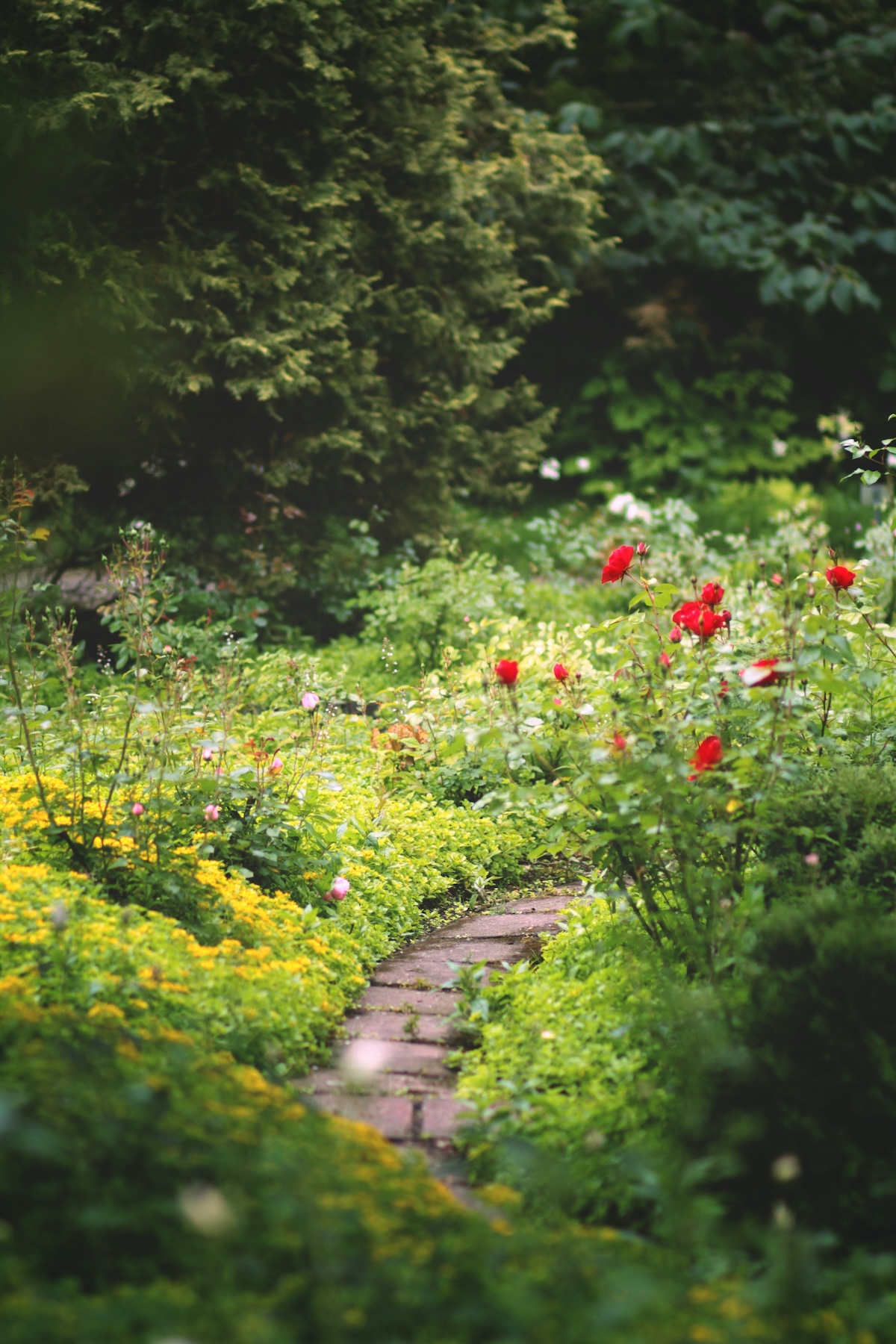
Paths invite people into a garden and provide clear sightlines that feel welcoming rather than overgrown. Landscape designer Benjamin Vogt of Prairie Up recommends paths wide enough that plants can cascade over the edges while still leaving room to walk through without brushing against foliage.
Materials can range from mown turf strips to gravel to stone. The key is that the path reads as intentional and maintained.
A birdbath, sculpture, distinctive boulder, or even a well-placed bench anchors an ecological garden and draws the eye. These elements provide visual rest points amid diverse plantings and clearly communicate that someone is tending this space.
The focal point doesn't need to be elaborate. It just needs to be intentional and uncluttered.
Repetition creates rhythm and cohesion in any garden, but it's especially valuable in ecological plantings where diversity can sometimes feel chaotic. Repeating a structural plant (ornamental grasses, evergreen shrubs, or a distinctive perennial) throughout the garden creates visual continuity.
This technique allows you to include dozens of species for ecological benefit while maintaining a sense of order that reads as designed.
Natural plant communities don't grow in single-species rows. They layer: groundcovers beneath perennials beneath shrubs beneath trees. Ecological garden design mimics this structure, covering every inch of soil with living plants rather than mulch.
Dense plantings crowd out weeds, retain moisture, and provide habitat at multiple levels. They also create the lush, abundant look that makes people stop and admire a garden.
You don't need acreage to make an ecological impact. Professor Nassauer points out that even a quarter-acre or eighth-acre lot contributes to the larger landscape matrix. From the perspective of a pollinator passing through or a migrating bird needing rest, these small pieces connect to form functional corridors.
This is particularly relevant in Denver's urban and suburban neighborhoods, where residential lots collectively represent significant habitat potential. A single garden with diverse native plantings, a water source, and layered structure can support dozens of pollinator species and provide stopover habitat for birds.
Colorado's semi-arid conditions actually favor ecological gardening. Many native and adapted plants thrive here with minimal irrigation once established. Designs that incorporate drought-tolerant groundcovers, native grasses, and plants suited to our alkaline soils can look lush while using a fraction of the water required by traditional landscapes.
The key is selecting plants as communities rather than individuals, choosing species that naturally grow together and support each other through Colorado's temperature swings, intense sun, and variable precipitation.
Ecological gardens require a shift in thinking from maintenance to management. Traditional landscapes follow rigid schedules: mow weekly, fertilize quarterly, prune annually. Ecological gardens respond to what the plants actually need, intervening only when necessary.
This approach often means less work overall, but it requires observation and understanding rather than a set routine. It also means accepting (and celebrating) seasonal changes, including the winter interest of standing seed heads that feed birds and the spring emergence of self-sown seedlings.
Transitioning to ecological gardening doesn't require tearing out everything at once. Many homeowners start by converting a portion of lawn to diverse plantings, adding native species to existing beds, or creating a single pollinator-focused garden room.
The most successful ecological gardens are designed with both function and beauty in mind from the start. Working with a landscape architect who understands plant communities, local ecology, and the principles of cues to care ensures your garden will thrive while fitting seamlessly into your neighborhood.
At Ivy Street Design, we believe landscapes should do more than look good. Our team designs outdoor spaces that support Colorado's pollinators, manage stormwater naturally, and create habitat, all while reflecting your personal style and meeting practical needs.
Whether you're interested in converting lawn to meadow, creating a pollinator garden, or designing a complete landscape that balances ecological function with neighborhood aesthetics, we can help you get there.
Contact us to start planning a garden that works with nature.
An ecological garden is designed to function as a living system, supporting pollinators, birds, and beneficial insects while managing stormwater and building healthy soil. It goes beyond choosing a few native plants to create a landscape that benefits both people and the environment.
Not if it's designed well. Using "cues to care" like geometric bed shapes, clear paths, repeated plants, and focal points signals that a landscape is intentional. Ecological gardens can be just as polished as traditional landscapes while doing more environmental good.
Cues to care are design elements that show a landscape is being looked after. Examples include mown edges, straight-lined paths, visible focal points like birdbaths or sculptures, and repeated structural plants. These signals help ecological gardens fit into neighborhoods and satisfy HOA requirements.
No. Even small urban lots contribute to the larger ecosystem. Pollinators and migrating birds use small gardens as stepping stones, so a quarter-acre property with diverse plantings can make a real difference.
They require less routine work than traditional landscapes but need a different approach. Instead of rigid mowing and fertilizing schedules, ecological gardens are managed based on observation, intervening only when needed. Once established, they typically require less water, no fertilizers, and minimal weeding.