

Thanks! We have received your form submission, we'll get back to you shortly!
Oops! Something went wrong while submitting the form
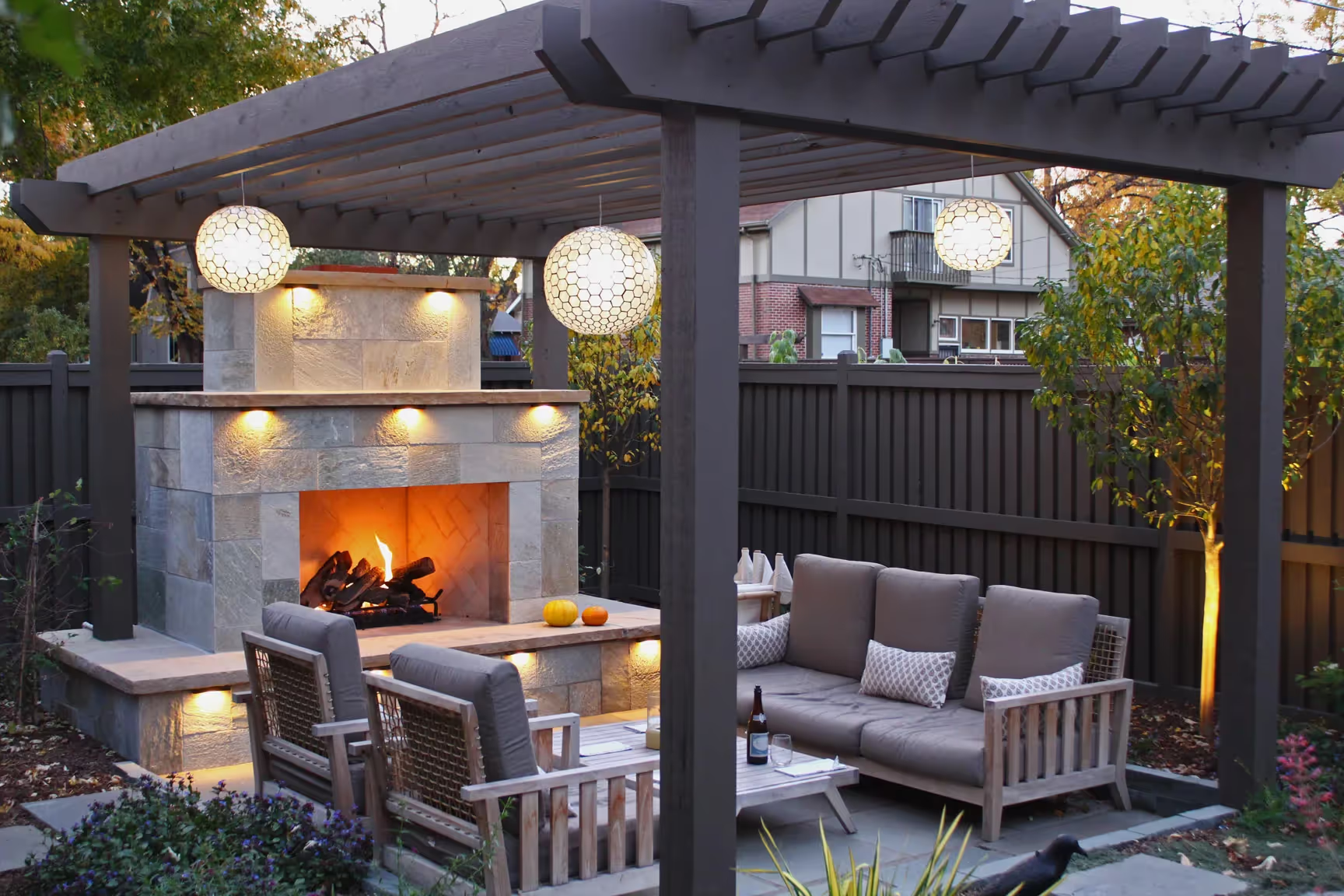
Modern landscape design focuses on creating outdoor spaces that are sleek, functional, and in harmony with nature. By incorporating clean lines, minimalist aesthetics, and sustainable practices, modern landscape design can transform any outdoor area into a stunning extension of your home. Whether you have a small urban garden or a sprawling suburban yard, modern landscape design principles can enhance the beauty and usability of your space.
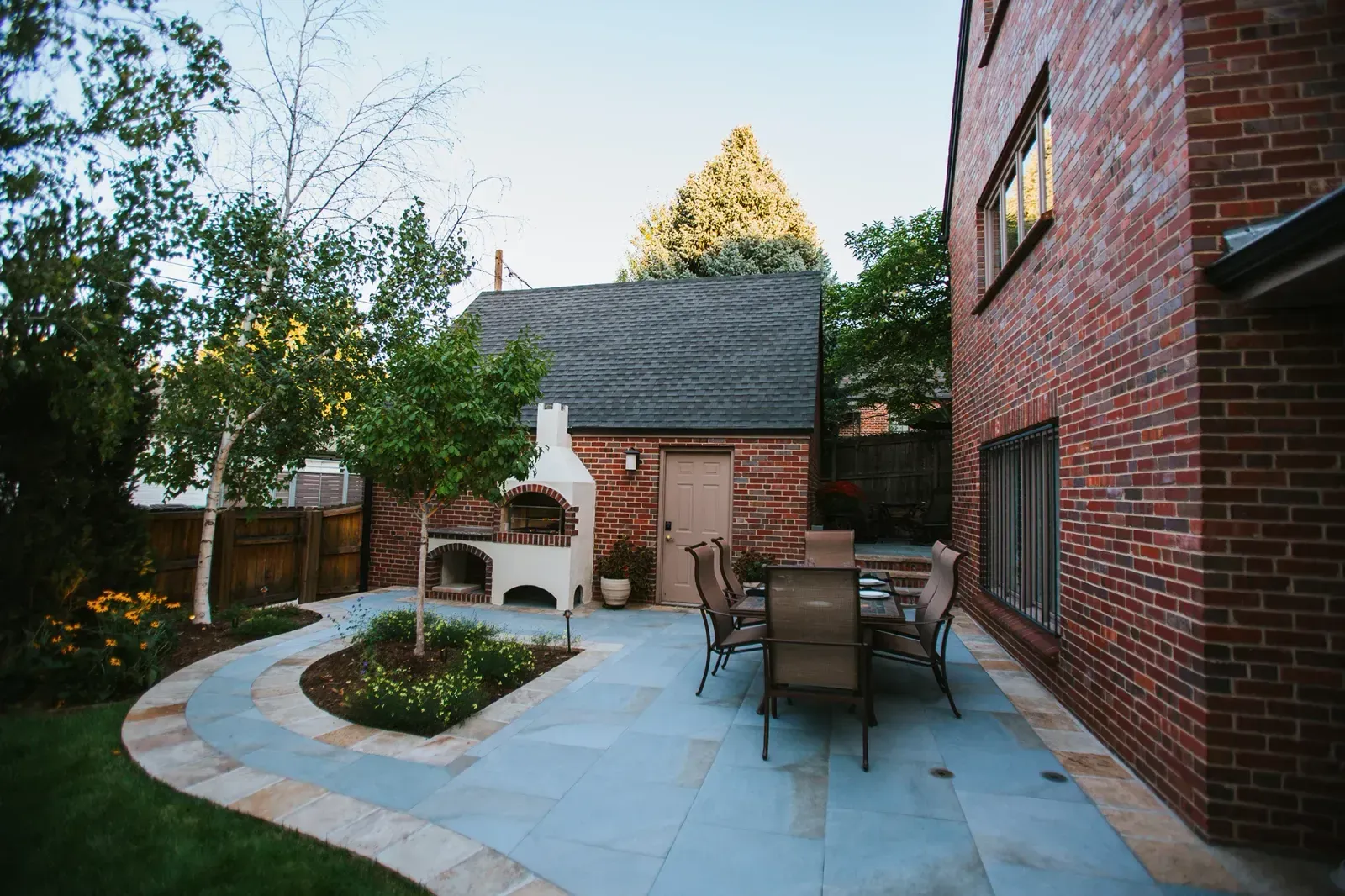
Modern landscape design emphasizes simplicity and minimalism. This approach involves using fewer elements to create a clean and uncluttered look. By focusing on essential features and eliminating unnecessary details, minimalist designs bring a sense of calm and order to outdoor spaces.
Geometric shapes and clean lines are hallmarks of modern landscape design. These elements help create a sense of structure and organization in the garden. Rectangular patios, linear pathways, and neatly edged plant beds are examples of how geometric shapes can be used to define and enhance outdoor areas.
A key principle of modern landscape design is the seamless integration of the outdoor space with the architecture of the home. This involves using similar materials, colors, and design motifs to create a cohesive look. The goal is to blur the lines between indoors and outdoors, making the garden feel like an extension of the living space.
Sustainability is at the heart of modern landscape design. This approach focuses on creating gardens that are environmentally friendly and resource-efficient. Techniques such as xeriscaping (using drought-tolerant plants), rainwater harvesting, and organic gardening practices help reduce the environmental impact of landscape design.
Hardscaping refers to the non-plant elements of a landscape, such as paths, patios, and walls. These features provide structure and form to the garden, creating defined areas for different activities. Materials like concrete, stone, and wood are commonly used in modern hardscaping to create a sleek and contemporary look.
Softscaping involves the use of plants and other organic materials to add color, texture, and life to the garden. In modern landscape design, plants are chosen for their architectural qualities and ability to thrive with minimal maintenance. Groupings of ornamental grasses, succulents, and evergreen shrubs are popular choices for creating visually appealing yet low-maintenance gardens.
Water features are an important element in modern landscape design, adding a sense of tranquility and movement to the garden. Simple, geometric pools, sleek fountains, and naturalistic ponds can serve as focal points and enhance the overall aesthetic of the space. Water features also help create a relaxing ambiance, making the garden a peaceful retreat.
Lighting is essential in modern landscape design for both functionality and aesthetics. Ambient lighting provides overall illumination, task lighting is used for specific activities like cooking or reading, and accent lighting highlights features such as sculptures or water features. Using a combination of these lighting types helps create a welcoming and visually interesting outdoor space.
Outdoor living rooms are a popular trend in modern landscape design, providing comfortable and stylish spaces for relaxing and entertaining. These areas often include sofas, chairs, coffee tables, and even outdoor rugs and lighting. By extending the living space into the garden, outdoor living rooms make it easy to enjoy nature without sacrificing comfort.
Fire pits and fireplaces are essential features in modern landscape design, offering warmth and a focal point for social gatherings. Whether built-in or portable, these features create a cozy atmosphere and extend the usability of outdoor spaces into cooler months. Fire pits and fireplaces can be designed to complement the overall aesthetic of the garden, using materials like stone, metal, and concrete.
Minimalist zen gardens are inspired by traditional Japanese garden design, focusing on simplicity, balance, and tranquility. These gardens often feature elements like gravel paths, stone lanterns, water features, and carefully pruned plants. The goal is to create a serene space that encourages relaxation and contemplation.
Hiring a professional landscape designer offers numerous benefits, including expertise, efficiency, and access to high-quality materials and plants. Professionals bring a wealth of knowledge in design principles, plant selection, and construction techniques, ensuring that your garden is both beautiful and functional. Ivy Street Design, for instance, is a leading name in modern landscape design, known for their innovative and sustainable approaches.
When choosing a landscape designer, it’s important to check their credentials and style. Look for designers with relevant certifications and memberships in professional organizations. Review their portfolio to ensure their design style aligns with your vision. References and testimonials from previous clients can also provide insight into the designer’s reliability and quality of work.
During the consultation, ask questions to understand the designer’s process, timeline, and approach. Discuss your budget and project scope to ensure there are no surprises later. It’s also important to clarify maintenance and long-term care plans to keep your garden looking its best. Ivy Street Design, for example, offers detailed consultations to ensure that their designs meet clients' expectations and needs.
Budgeting is a crucial aspect of hiring a professional landscape designer. Understand the overall cost versus the long-term value of a professionally designed garden. Different pricing structures, such as flat fees, hourly rates, or project-based costs, can impact your budget. Additionally, consider ongoing maintenance costs to keep your garden in top condition.
Modern landscape design offers a way to transform outdoor spaces into functional, beautiful, and sustainable areas. By incorporating principles of minimalism, clean lines, and integration with architecture, you can create a cohesive and visually appealing garden. Sustainable practices and modern trends, such as outdoor living rooms and zen gardens, further enhance the usability and enjoyment of the space. Whether you choose to design your garden yourself or hire a professional like Ivy Street Design, modern landscape design can elevate your outdoor living experience.
Modern landscape design focuses on clean lines, minimalism, and integration with architecture, while contemporary design often incorporates the latest trends and technologies.
Select plants with architectural qualities, such as ornamental grasses and succulents, and prioritize low-maintenance, drought-tolerant varieties.
Yes, modern design principles can be adapted to small spaces by using vertical gardens, multi-functional furniture, and compact water features.
Utilize DIY projects, choose low-maintenance plants, and incorporate recycled materials to create a cost-effective modern landscape.
Implement rainwater harvesting, composting, and the use of recycled materials, and focus on planting native species to promote biodiversity and reduce environmental impact.